
close
Choose Your Site
Global
Social Media

 English

Views: 0 Author: Site Editor Publish Time: 2026-11-18 Origin: Site


Ever reached into a junction box only to find a sticky, unraveling mess of tape peeling back from a splice? Exposed wires create serious fire safety hazards. When insulation fails, moisture and dust can ruin bare connections in a matter of weeks. Gaps in your wrap allow oxygen and airborne contaminants to reach the conductive copper. This leads to rapid oxidation, increased electrical resistance, and dangerous short circuits.
Fortunately, professional wrapping techniques stop these gaps before they start. By mastering tension, precise overlap angles, and choosing high-quality PVC electrical tape, you can ensure an airtight, reliable seal. This guide walks you through industry-standard methods to keep your electrical projects safe, compliant, and durable.
Key Takeaways
The Half-Lap Rule: Overlap each turn by 50% of the tape width to ensure double insulation with zero gaps.
Tension is Vital: Stretching the tape slightly activates the adhesive and creates a tight, conforming seal.
Zero-Tension Finish: Avoid stretching the final inch to prevent the tape from "flagging" or peeling over time.
Material Selection: Use premium flame retardant materials to ensure long-term stability under thermal stress.
Professional Coding: Apply the same rigorous wrapping standards when using colored identification tapes.
Gaps in electrical insulation rarely occur by accident. They are typically the result of poor technique or environmental factors. A primary culprit is insufficient tension. PVC film is engineered to conform to the cylindrical geometry of wire splices, but if wrapped too loosely, it simply rests on the ridges of the copper. This creates hollow voids that act as moisture channels.
Furthermore, an incorrect overlap angle compromises structural integrity. When a technician tapes at a steep angle, it creates an elongated spiral. As wires are tucked into cramped junction boxes, these spirals easily separate. Modern electrical standards have increasingly moved toward high-performance polymers that offer better thermal memory, yet technique remains the final line of defense against electrical failure.
Physical properties of the tape are equally significant. Rigid, low-quality materials fail to stretch around sharp corners or thick connectors. Instead, they "tent" over the surface, creating permanent pathways for contaminants. Harsh environments, such as unheated basements, exacerbate this; in sub-zero temperatures, standard rubber-based adhesives stiffen, making a gap-free seal nearly impossible without using materials rated for cold-weather applications.
In professional electrical work, the half-lap method is the non-negotiable benchmark for insulation. This technique requires every new turn of the tape to cover exactly 50% of the previous one. As you progress along the wire, the leading edge of the tape aligns with the centerline of the wrap beneath it.
This method prevents gaps by creating a continuous, double-layered barrier in a single pass. Even if a microscopic pinhole appears in one layer, the underlying turn maintains the dielectric integrity. This overlapping effect acts like shingles on a roof, causing moisture and debris to shed off the exterior rather than penetrating the splice.
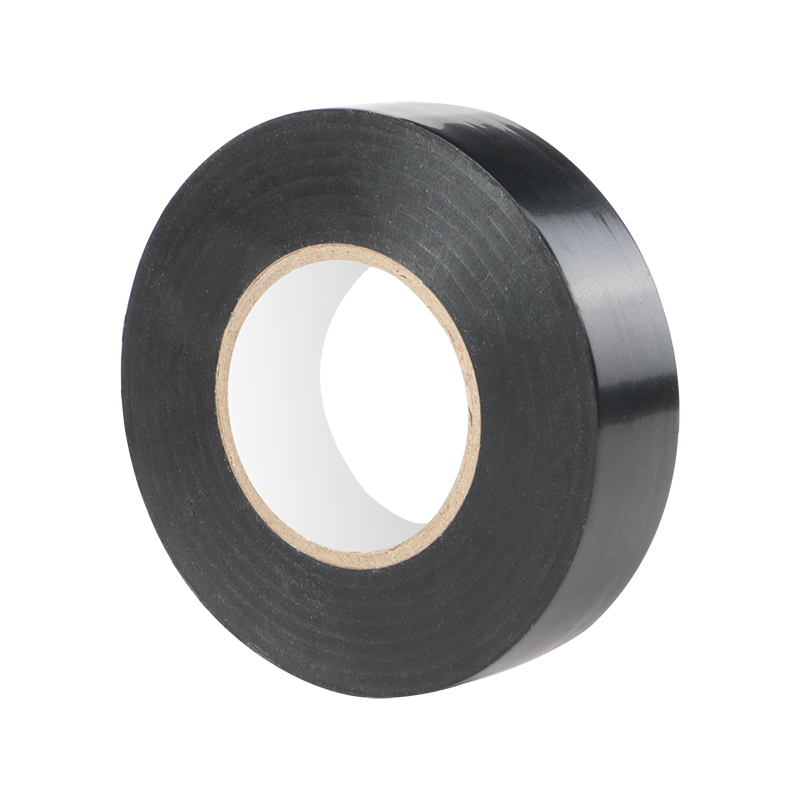
Executing a perfect wrap requires patience and a methodical approach. Rushing the process often leads to long-term failure.
First, prepare the splice by ensuring all wires are clean and free of grease. Use lineman’s pliers to snip any sharp, protruding copper burrs that might puncture the tape. For pigtail splices, fold the twisted ends flat to create a smoother profile.
Next, start the application at least half an inch back on the original wire insulation. This anchors the tape to a secure surface, protecting the transition point between the factory jacket and the splice. As you move across the bare metal, pull the tape with enough tension to stretch it to about 5/8 of its original width. This action forces the adhesive into the crevices of the wire.
When you reach the tip of the wire, do not cut immediately. Wrap slightly past the end, fold the excess material back to create a reinforced cap, and return down the splice. Finally, cut the tape cleanly and apply the last inch with zero tension. This prevents the "flagging" effect where the material shrinks and peels back over time.
Technique cannot compensate for poor materials. The following table highlights why professional-grade tapes are essential for electrical longevity.
Feature | Budget Tape | Professional Grade |
|---|---|---|
Elongation | Low (snaps easily) | High (150-250%) |
Thermal Stability | Degrades/brittle | High resistance |
Adhesive | Dries out quickly | Rubber-based, pressure-sensitive |
Safety | Combustible | Flame Retardant |
Professional contractors prioritize materials that withstand thermal fluctuations and aging. Investing in a high-quality flame retardant electrical tape ensures that if a surge creates a local fault, the insulation will self-extinguish rather than fueling a structural fire.
Beyond primary insulation, tape serves as a critical tool for phase identification. A common error is assuming that identification tape doesn't require the same strict adherence to wrapping rules as insulation tape. This is incorrect. Loose color coding can trap moisture against the wire or peel off entirely, creating a safety hazard for future maintenance.
When working in complex systems, use high-quality electrical color coding tape to maintain system standards. In heavy-duty or industrial environments, apply a robust base layer of black electrical tape first, then finish with a half-lapped layer of the appropriate color. This double-layer approach provides the best balance of mechanical security and visual clarity.
Extreme conditions demand tactical adjustments. In freezing temperatures, store your tape rolls in a warm pocket or a heated vehicle. Cold PVC is brittle and prone to snapping; keeping it pliable allows for a much tighter wrap. If you must work outdoors, consider a dual-layer system: apply self-amalgamating rubber tape to create a moisture-proof seal, then wrap the exterior with PVC tape for UV protection and abrasion resistance.
Direct sunlight also presents a challenge, as UV exposure breaks down polymer bonds in low-grade plastics. Always choose weather-grade products with UV inhibitors. By combining the right material with the half-lap method, your connections will remain secure for years. If you are ready to upgrade your toolkit, consider exploring professional-grade solutions to ensure every splice you make meets the highest safety standards.
You should apply at least two half-lapped layers. Because the half-lap method overlaps by 50%, a single pass across the wire effectively creates two layers of thickness. A full pass up and back results in four layers, which is ideal for standard low-voltage splices.
This is called "flagging." It happens when the final inch of tape is applied under tension. PVC is elastic and will attempt to shrink back to its original length. By applying the final inch with zero tension, you allow the adhesive to grip without the mechanical stress that causes peeling.
Yes, premium color coding tape is made from the same dielectric PVC as standard black tape. It is perfectly safe for insulating low-voltage wires. For critical splices, treat it as a finish layer over a base of standard electrical tape to ensure maximum durability.
Standard wrapping is moisture-resistant but not fully waterproof. For submerged or outdoor environments where moisture is a risk, you should first apply a base layer of self-fusing rubber splicing tape, then cover it with PVC electrical tape to protect the rubber from the elements.
Yes, electrical tape has a shelf life, typically 3 to 5 years. Over time, the rubber-based adhesive loses its tackiness, and the film may become brittle. To keep your supply effective, store it in a cool, dry place away from direct sunlight.


