
close
Choose Your Site
Global
Social Media

 English

Views: 0 Author: Site Editor Publish Time: 2026-11-22 Origin: Site


Have you ever been cruising down the highway, only to be interrupted by a persistent, nagging rattle deep within your dashboard? Or perhaps you have experienced the frustration of a sudden electrical failure in a critical machine, only to discover the culprit was a simple frayed wire subjected to months of relentless rubbing. Modern vehicles and industrial equipment are marvels of engineering. Yet, they operate in punishing environments. Cables are constantly exposed to high-frequency vibrations, sharp structural edges, and fluctuating thermal extremes. This is where wire harness tape steps in as the unsung guardian of electrical integrity. Standard household solutions fail rapidly under such pressure. Specialized protective products are engineered to absorb kinetic energy and resist physical degradation over long periods. In the following sections, we will explore the engineering mechanics behind this protection. We will compare it with inferior alternatives and help you select the ideal material for your specific restoration or industrial application.
Vibration Dampening: Specialized materials like PET fleece and engineered PVC absorb kinetic energy. This prevents cables from rattling against chassis metal and effectively reduces Noise, Vibration, and Harshness.
Abrasion Resistance: High tensile strength and durable backing create a robust physical barrier. This prevents sharp mounting points from slicing through delicate wire insulation.
Superiority Over Standard Options: Generic vinyl electrical tape tends to melt or unspool under heat. Professional-grade tapes maintain structural integrity and flexibility in the harshest engine bay conditions.
Installation Efficiency: Innovations in material weaving allow for rapid, tool-free application. Mechanics save significant time while maintaining high protective standards.
The automotive and industrial sectors are undergoing a massive shift. With the rapid electrification of vehicles and the rise of smart, sensor-heavy machinery, wiring architectures have become exponentially more complex. Industry analyses reveal a surging demand for advanced protective materials that go beyond basic insulation. Engineers now prioritize tapes offering superior acoustic dampening and extreme thermal stability. As high-voltage electrical systems and tightly packed engine bays generate unprecedented heat and electromagnetic interference, the protective wrap has evolved from a simple bundling tool into a critical safety component.
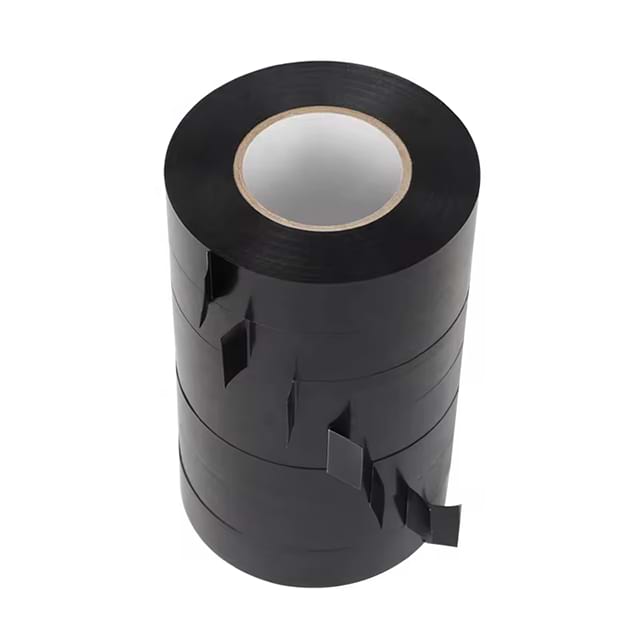
At its core, this tape is far more than a means to keep cables grouped together. While the primary visible role is bundling multiple electrical wires into a single manageable harness, the true engineering value lies in shielding critical systems from environmental breakdown. The landscape of automotive engineering has shifted dramatically. Vehicles evolved from simple machines into rolling networks of sensors and delicate data transmission cables. This surge in complexity forces engineers to route wiring through increasingly confined spaces. Cables sit in direct proximity to intense heat sources or jagged structural components. Consequently, the industry utilizes smart protective materials. These tapes are active components contributing directly to the durability of the electrical architecture. While tidiness is a welcome byproduct, real-world performance goals center on heat shielding and structural reinforcement. By creating a customized environmental seal, the tape ensures electrical signals powering fuel injectors and safety systems remain uninterrupted.
Physical threats to a wiring harness remain silent until they reach the point of total system failure. Understanding the physics of these threats is the first step in successful preventative maintenance. Engine and machine vibrations represent a constant transfer of kinetic energy. When a harness is not properly secured, high-frequency micro-motion causes wires to rub against each other and against hard chassis surfaces. Over thousands of operation hours, this friction leads to fretting. The microscopic movement eventually wears through the polymer insulation, leaving the bare metal conductor vulnerable to short circuits. Specifically, in cramped engine bays, cables navigate narrow gaps between the engine block and the firewall. Every time the vehicle hits a bump, the wiring harness shifts slightly against sharp metallic edges. Think of this action as a slow-motion saw blade. It inevitably slices through the insulation. Once the protective sheath is compromised, moisture and contaminants penetrate the wires, leading to rapid and hard-to-diagnose electrical gremlins.
To counteract destructive forces, engineers look to the material science behind the tape composition. Wrapping a wire is not enough; the wrap itself must act as a mechanical buffer. The choice of material dictates the performance profile. Soft, fibrous materials like PET fleece operate as physical shock absorbers. Their porous structure traps tiny pockets of air, which dissipate the kinetic energy of vibrations before they damage internal copper strands. For sections requiring structural rigidity, engineered PVC provides a stable outer shell. Standard premium PVC tapes feature a thickness between 0.10mm and 0.15mm. By binding the bundle into a monolithic unit, the tape prevents individual wires from vibrating independently. This neutralizes the chatter that leads to long-term wear. Furthermore, within the cabin, the focus shifts to driver comfort. Behind your dashboard, wire bundles rest against hard plastics and metal brackets. Without vibration-dampening qualities, the resulting rattle is incessant. Wrapping interior harnesses in shock-absorbing materials eliminates the source of these rattles, contributing to a quiet and refined cabin experience.
Beyond dampening movement, the tape serves as a sacrificial layer designed to endure environmental abuse so the wires do not have to. The efficacy of a harness wrap is measured by puncture resistance and tensile strength. When a harness routes against a rough engine casting, the tape backing bears the brunt of the contact. Modern high-performance tapes endure thousands of abrasion cycles without tearing. They effectively serve as an armored skin for the electrical system. A common mistake I see in the field is using rigid corrugated plastic tubing. While it seems robust, such tubing actually concentrates stress at the exit points where the wire bends. This creates a new friction point that cuts into the harness. In contrast, quality harness tape remains inherently flexible. It moves dynamically with the chassis, distributing mechanical stress evenly across the length of the bundle to promote a much longer service life.
It is tempting to reach for a roll of standard vinyl electrical tape when a repair is needed. However, professional automotive and industrial standards dictate otherwise for highly practical reasons. Standard vinyl tape is essentially a basic insulator lacking the mechanical properties required for an engine bay. When exposed to heat cycles, the plasticizers in generic tape migrate. The tape hardens, cracks, or turns into a sticky residue that fails to hold the bundle together. Standard tape is also notorious for flagging, where the adhesive loses its grip and peels back. In contrast, specialized harness tapes employ advanced acrylic or synthetic rubber-based adhesives. They are formulated to remain stable from extreme cold up to 150 degrees Celsius. They cure onto the wire insulation over time, creating a permanent bond that resists engine oil, gasoline, and antifreeze.
Performance Metric | Professional Wire Harness Tape | Standard Electrical Tape |
|---|---|---|
Temperature Resistance | -40°C to 150°C | Up to 80°C maximum |
Adhesive Technology | Advanced acrylic or synthetic rubber | Basic rubber adhesive |
Abrasion Resistance | Extremely high structural integrity | Low puncture threshold |
Vibration Dampening | Excellent acoustic absorption | Poor acoustic properties |
Long-Term Residue | Clean curing bond | Sticky, oozing degradation |
When browsing for the right solution, specific features make the difference between a frustrating installation and a professional-grade finish. For the mechanic working in tight, dark corners of a dashboard, efficiency is paramount. Using a utility knife near delicate wires is dangerous. High-quality hand tearable harness tape solves this by incorporating a specific woven or perforated structure. You get the high tensile strength needed for long-term durability, but you can tear it with your fingers in one smooth motion. This allows for rapid, precise application in awkward spaces. Reliability comes down to strict testing. Products meeting Original Equipment Manufacturer specifications undergo rigorous aging, flame retardancy, and chemical resistance tests. By choosing products aligned with these standards, you ensure your work holds up for the lifespan of the vehicle.
Even the most expensive tape underperforms if applied to a dirty surface. Preparation is non-negotiable. Before you begin, use a mild non-residue degreaser to wipe down the wire bundle. Automotive environments are inherently oily. A thin film of grease prevents the pressure-sensitive adhesive from anchoring properly. A clean surface is the absolute foundation of a durable harness. The gold standard in the industry is the half-overlap technique. As you wind the tape around the bundle, ensure each spiral covers exactly half the width of the previous wrap. This creates a double-layered barrier twice as resistant to abrasion. Apply slight tension to the tape while wrapping. Stretching the backing slightly helps the adhesive bond more effectively and prevents unspooling later.
There is no single magic tape. The right choice is dictated by the specific operating environment. Engine Bay Applications: Prioritize heavy-duty PET cloth or thick automotive wire wrap tape offering extreme thermal stability. Look for temperature ratings up to 150 degrees Celsius. These materials survive high heat and chemically aggressive environments. Interior Cabin Applications: Focus on noise suppression. Soft PET fleece tapes are the best choice here. They provide essential cushioning to stop rattles and squeaks, ensuring a silent ride. Tight Routing Spaces: Opt for hand-tearable variants with strong initial tack. This accelerates the installation process without compromising the protective physical barrier.
Vibration and abrasion are the silent killers of electrical reliability. They slowly wear down systems until they fail at the most inconvenient moment. By understanding the mechanical role of wire harness tape, you can transform these vulnerabilities into robust, protected systems. Investing in the correct specialized tape is a small effort that yields massive dividends in vehicle longevity and system reliability. Take the time to select the right material for your project and apply it with the proper overlap technique. To effectively safeguard your electrical architecture for the lifetime of the machine, explore the professional-grade solutions available at https://www.ipvctape.com and choose the exact specifications tailored to your engineering needs.
Yes, absolutely. However, you must ensure you are using a tape specifically rated for high temperatures and fluid resistance. Look for engineered PVC or heavy-duty PET cloth tapes designed to withstand extreme heat, oil exposure, and intense engine bay vibration.
Yes, it is highly durable. Despite the convenience of tearing it by hand, this tape is engineered with a specialized woven structure. It provides excellent tensile strength and abrasion resistance along the length of the harness while allowing a clean horizontal tear by the installer.
Anti-vibration tapes made from PET fleece act as a mechanical cushion. They absorb the energy of small movements. When wires vibrate, they strike other surfaces with a soft, padded touch rather than a hard plastic click. This significantly reduces rattling noises inside the cabin.
High-quality specialized tapes use advanced acrylic or synthetic rubber adhesives. These are fundamentally different from cheap rubber adhesives found on standard electrical tape. Professional adhesives cure and bond firmly over time without liquefying into a gooey mess under heat cycles.
High-quality tapes engineered to strict automotive standards are designed to last the entire lifespan of the vehicle. By utilizing advanced UV-resistant backings and stable acrylic adhesives, they withstand decades of thermal cycling and mechanical stress without degrading.
It depends entirely on the specific location. Heavy-duty PET cloth tape offers superior abrasion resistance and higher temperature thresholds, making it ideal for the main engine harness. PVC tape provides excellent moisture and chemical resistance, which is perfect for areas exposed to direct fluid splashes.


