
close
Choose Your Site
Global
Social Media

 English

Views: 0 Author: Site Editor Publish Time: 2026-10-24 Origin: Site


Did you know that a simple roll of bad tape can completely ruin a vehicle's electronics? Engine bay wiring usually gets all the glory for surviving extreme heat and chemical exposure. However, interior cabin wiring faces its own grueling set of environmental challenges.
Interior wires must navigate incredibly tight spaces behind dashboards and under carpets. They do this while enduring intense greenhouse-level heat. The wrong adhesive choice will melt, unroll, or ooze a sticky dirt-attracting glue over time. In this comprehensive guide, we explore the exact adhesion levels required to keep cabin wiring secure. You will discover how to evaluate technical specifications directly from an engineering perspective. Choosing the right material is the ultimate safeguard against premature electrical failure.
The Balanced Adhesion: Interior harnesses require a perfectly balanced medium adhesion level. This is typically 1.5 N/cm to 2.5 N/cm to its own backing. It prevents unrolling without turning into a sticky mess.
Material Matters: Polyvinyl chloride film remains the most cost-effective and reliable choice for interior cabins. It offers superior flexibility, hand-tearability, and excellent dielectric strength.
Adhesion to Backing vs Steel: For wire wrapping, a tape's ability to stick to its own surface is far more critical than its adhesion to flat metal plates.
Application is Crucial: Even the highest-grade tape will fail if applied without the industry-standard 50 percent overlap and proper tension control.
When procurement managers and electrical engineers select materials for a vehicle's central nervous system, adhesion cannot be judged on a simplistic scale. Stronger is not always better. Tape adhesion is a highly engineered metric. It dictates how the material behaves on a fast-paced assembly line, over years of constant road vibration, and under severe thermal stress.
In general packaging or masking applications, manufacturers proudly highlight adhesion to steel to prove holding power. Harness tape rarely touches flat metal. Instead, it spirals around a bundle of wires. This means it constantly overlaps and sticks to itself. Therefore, adhesion to backing is the single most critical metric. If the adhesive formulation fails to form a stable bond with the plasticized surface of the previous wrap, the entire harness will eventually unravel.
To properly evaluate an automotive wire wrap tape, buyers need to decode three distinct mechanical properties found on technical data sheets.
Tack: This is the initial grab. It measures the speed at which the adhesive forms a bond immediately upon contact using minimal pressure. High tack allows assembly workers to anchor the start of a wrap instantly.
Shear Strength: This is the resistance to slipping when pulled parallel to the surface. High shear strength ensures that overlapping tape layers do not slide apart when a thick wire bundle bends around a tight corner.
Peel Adhesion: This represents the physical force required to peel the tape away from a surface at a 180-degree angle. A balanced peel adhesion keeps the bundle secure but allows for minor adjustments during installation.
A persistent myth in aftermarket car repair is that maximum peel adhesion yields the most durable harness. In reality, excessively aggressive adhesives create massive bottlenecks. Picture an assembly line worker struggling to snap a highly aggressive tape. Production slows to a crawl. Furthermore, over-engineered adhesives usually contain heavy chemical concentrations. These destabilize at high temperatures. When the cabin heats up, these aggressive glues separate from the film backing. This causes oozing, leaving a viscous slimy residue that coats the exterior of the wire bundle and surrounding interior trim.
While understanding the raw metrics is vital, applying them to the real world requires looking at the vehicle's operating conditions. An engine bay demands protection against radiant heat exceeding 125 degrees Celsius. The interior cabin presents a completely different yet equally punishing set of variables.
A vehicle's interior essentially acts as a solar greenhouse. A car parked in direct summer sunlight easily experiences dashboard and headliner temperatures exceeding 85 degrees Celsius. In stark contrast, winter climates plunge the cabin to negative 20 degrees Celsius overnight. This aggressive thermal cycling forces the tape to expand and contract repeatedly. The adhesive must remain remarkably elastic. It must resist the urge to crack in the freezing cold or liquefy during a summer heatwave.
Recent industry shifts fundamentally change how we approach cabin wiring. The rapid rise of electric vehicles and Advanced Driver Assistance Systems introduces massive touchscreen displays, multiple radar sensors, and ambient lighting. Consequently, interior wire bundles are growing thicker and heavier with high-speed data cables.
Automotive engineers are rapidly moving away from bulky plastic conduits and zip-ties. They rely almost entirely on precision-engineered tapes to support zonal architecture. The current trend dictates that tapes must actively support lightweighting initiatives. If a tape's adhesion is too aggressive or its backing too thick, it severely limits the bundle's flexibility. This makes it nearly impossible to snake through the increasingly cramped structural pillars of modern electric vehicles without adding unnecessary weight. Additionally, strict global regulations now demand ultra-low volatile organic compound emissions to prevent chemical off-gassing.
Answering the core question of material selection requires looking past marketing jargon. We must focus on empirical data and original equipment manufacturer specifications. The ideal tape must grip the bundle tightly for the entire lifespan of the vehicle without triggering secondary failures.
Industry consensus dictates that interior wire harnesses require a medium-level adhesion. On a technical data sheet, this is typically represented as an adhesion to backing rating of 1.5 N/cm to 2.5 N/cm. This specific range is the ultimate sweet spot. At less than 1.5 N/cm, the tape lacks the holding power to resist the mechanical stress of a bent wire bundle. Conversely, at greater than 2.5 N/cm, the tape becomes stubbornly difficult to unroll from the spool. This slows down manual application and increases the risk of chemical migration under high temperatures.
To truly understand why certain materials win for general interior bundling, consider how they stack up against other alternatives. The table below highlights why engineers prefer specific backings based on routing zones.
Tape Material | Primary Advantage | Flexibility | Best Application Zone |
|---|---|---|---|
PVC Film | Cost-effective, highly moisture resistant | Excellent | General dashboard, door panels, floor routing |
PET Fleece | Superior noise reduction | Moderate | High vibration areas behind hard plastics |
Cloth / Fabric | High abrasion resistance | Low | Engine bay transitions, exposed framing |
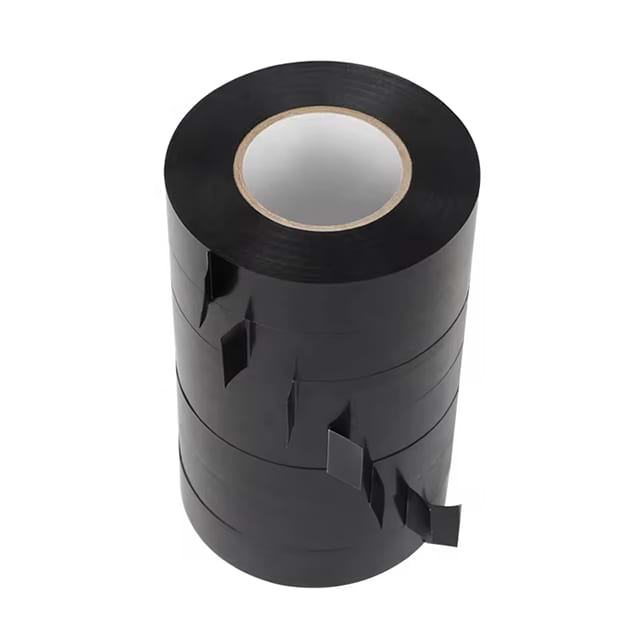
Among the vast array of materials available for wire management, general PVC wire harness tape remains the undisputed industry standard for interior cabin applications. It is remarkably thin, usually measuring between 0.10mm and 0.15mm. This makes it the perfect candidate for routing wires through compact crevices. A massive advantage of high-quality polyvinyl chloride film is its hand-tearability. Technicians can tightly wrap a bundle and cleanly snap the tape using only their thumbs.
Beyond physical bundling, tape serves as a critical secondary layer of electrical safety. Bare wires or chafed primary insulation present a massive risk of short circuits. A reliable insulating automotive harness tape must meet stringent industry standards such as LV312. Dielectric strength measures the maximum electrical voltage a material can withstand before breaking down. An industry-standard tape typically features a dielectric breakdown voltage exceeding 40 kV/mm. This ensures that even if a wire is nicked during installation, the tape provides a fail-safe barrier against the vehicle's metal chassis.
Procuring the perfect tape is only half the battle. The physical application methodology determines the ultimate success of the harness. Even the most advanced chemically stable tape will fail if applied poorly. Professional technicians follow strict protocols that differ wildly from casual wrapping.
Professional harness manufacturers swear by the 50 percent overlap technique. Picture winding the tape down a long bundle of sensor wires. Each new spiral must cover exactly half of the previous wrap's width. First, it ensures every section of the bundle is protected by two layers of film. Second, it creates a highly cohesive structure that allows the tape layers to slide minutely against each other when bent. This prevents the harness from locking up into a rigid stick.
Tension control easily separates professional assembly from amateur work. Pressure-sensitive adhesives require mechanical force to activate the bond. Technicians must apply a slight consistent stretch as they wrap. However, over-stretching is a fatal error. If pulled too tightly, the sheer force of the tape trying to retract to its original size will eventually overpower the adhesive. Months later, this causes the wrap to split open.
The starting and ending points of a wrap are the most vulnerable to failure. To prevent the ends from lifting, engineers utilize the zero-tension termination method. When finishing the bundle, apply the final two wraps with absolutely no stretching force. Simply lay the tape flat over itself and press down firmly. Removing mechanical tension from the final layer allows the 1.5 to 2.5 N/cm adhesion to form a permanent relaxed bond.
When interior wire harnesses fail in the field, the root cause almost always points back to improper material selection or sloppy application techniques. Understanding these failures helps procurement teams refine their purchasing parameters.
Adhesive Oozing: Weeks after installation, a sticky residue seeps from the tape edges. This is the classic result of using standard hardware-store electrical tape instead of specialized automotive tape. General-purpose tapes utilize low-grade rubber adhesives with high plasticizer content that simply melt at automotive cabin temperatures.
Tape Telescoping: The roll of tape deforms. The center layers push outward to create a cone shape. Telescoping indicates a manufacturing defect or improper storage. It occurs when tape is wound onto the core with excessive tension at the factory or stored flat on its side in high-heat environments.
Loss of Flexibility: The completed wire harness becomes completely rigid. This stems from wrapping the bundle with far too much tension. It effectively crushes the wires together and destroys bending tolerance. It also happens when using a tape with an overly aggressive adhesive that hardens over time.
Interior wire harnesses demand a carefully balanced tape adhesion profile. This precise engineering ensures the wiring survives extreme cabin temperatures and constant vibration without degrading. Standard polyvinyl chloride tape remains highly recommended across the industry. It delivers an ideal mix of medium adhesion, flexibility, and cost-effectiveness. Most importantly, this material provides excellent electrical insulation to safeguard the vehicle's critical systems. We invite you to review our comprehensive product line for your upcoming manufacturing projects. Visit https://www.ipvctape.com to find the exact specifications that match your engineering needs and request a technical sample for your facility today.
No. Standard household electrical tape is not engineered for the harsh thermal environments found inside vehicles. These basic tapes use low-grade adhesives that break down, melt, and ooze a sticky residue when exposed to the high heat of a car cabin. Always use specialized tape designed specifically for automotive use.
For interior applications such as wiring routed behind dashboards and inside door panels, a continuous temperature rating of 85 degrees Celsius to 105 degrees Celsius is generally required. This specification guarantees the tape will not degrade when the vehicle acts like a greenhouse in direct sunlight.
Unraveling is prevented by two critical steps. First, select a tape with the correct medium adhesion level between 1.5 to 2.5 N/cm. Second, ensure the final wrap around the wire bundle is applied with zero tension. If you stretch the tape on the final wrap, its elastic memory will constantly try to shrink it back.
While the film backing is highly water-resistant and provides an excellent barrier against moisture and condensation, it is not designed to be completely submerged in water. It serves as a robust splash guard. Fully waterproof requirements demand specialized sealed connectors and heat shrink tubing.
When properly matched to the vehicle's thermal environment and applied with correct tension, high-quality automotive harness tape is engineered to last the lifetime of the vehicle. This typically translates to 15 to 20 years of continuous service without adhesive degradation or backing failure.
These classifications define the continuous thermal endurance of the tape over a standard 3000-hour testing period. A T1 rating indicates the tape remains stable up to 85 degrees Celsius, making it suitable for lower-cabin areas. A T2 rating means the material withstands up to 105 degrees Celsius, which is highly recommended for upper dashboard and headliner routing where solar heat concentration is severe.


