
close
Choose Your Site
Global
Social Media
 English
Views: 0 Author: Site Editor Publish Time: 2026-08-19 Origin: Site


Standard adhesive tapes frequently fail in industrial environments, losing pigmentation or detaching within weeks of application due to environmental stressors across manufacturing floors, laboratories, and electrical panels. Faded, peeling, or obscured color-coded markings lead to critical safety hazards, OSHA compliance violations, electrical phase misidentification, and costly operational downtime. Selecting the correct tape requires moving beyond basic office-grade supplies and evaluating tapes based on chemical resistance, adhesive chemistry, and specific environmental exposure. This guide breaks down the technical criteria for evaluating and implementing high-visibility tape systems, from electrical wire wrapping to facility-wide 5S marking.
Material dictates longevity: The choice between general purpose electrical tape and industrial-grade PVC phase marking tape determines resistance to UV degradation, abrasion, and chemical exposure.
Adhesive chemistry is non-negotiable: Matching the adhesive type (rubber vs. acrylic) to the substrate's surface energy is critical for preventing edge-lift and dirt accumulation.
Compliance requires standardization: Maintaining visibility is only effective if the colors strictly align with OSHA hazard standards, 5S workspace organization, and electrical phase identification codes.
Surface preparation prevents premature failure: 80% of tape failures in industrial settings stem from improper substrate cleaning rather than product defects.
Defining tape failure goes beyond a simple loss of adhesion. In an industrial setting, failure manifests as a loss of pigment, severe edge curling, complete detachment, or illegibility under harsh industrial lighting. When a hazard marker loses its high-visibility yellow or a phase marker fades from vibrant red to a dusty pink, the tape has structurally failed its primary function. Recognizing these failure modes early prevents minor maintenance issues from escalating into severe facility risks.
Obscured hazard warnings carry massive liability. Regulatory bodies like OSHA require clear, unambiguous marking for aisleways, exit paths, and lockout/tagout (LOTO) identification. If a forklift operator cannot clearly see the boundary of a pedestrian walkway because the floor tape has worn away, the risk of a collision skyrockets. Non-compliant or degraded markings often trigger immediate citations during safety audits. Fines for inadequate hazard communication or poorly marked emergency egress routes quickly dwarf the initial cost of investing in industrial-grade marking solutions. Inspectors do not give passes for tape that used to be visible; the standard requires continuous, clear identification.
Faded phase identification presents an immediate, life-threatening danger to maintenance personnel. Electricians rely on precise color coding to understand system voltages and phase configurations before initiating work. Misidentifying high-voltage lines due to degraded Color Coding Electrical Tape can lead to catastrophic equipment damage, short circuits, or fatal arc flashes. When standard vinyl degrades under high panel temperatures, the colors bleed or darken. A faded brown marker on a 277/480V system can easily be mistaken for a black marker on a 120/208V system. This misidentification sets a lethal trap for the next technician servicing the panel. Maintaining absolute color integrity on electrical systems is a non-negotiable safety requirement.
The hidden costs of constant tape re-application drain maintenance budgets. When facility teams must repeatedly replace peeling markers, the labor hours accumulate rapidly. Facility downtime required to clear an area, strip old adhesive, clean the substrate, and reapply new markers disrupts production schedules. Degraded visual management systems compromise inventory traceability and equipment identification. A failing 5S system creates cognitive friction for workers, slowing down retrieval times and increasing the likelihood of operational errors.
Failure Mode | Root Cause | Operational Impact |
|---|---|---|
Pigment Fading | UV exposure or chemical solvent attack on the polymer backing. | Loss of hazard recognition; electrical phase misidentification. |
Edge Curling (Flagging) | Over-stretching during application or adhesive breakdown from heat. | Snagging hazards; dirt accumulation under the tape edge. |
Adhesive Liquefaction | Exposure to incompatible oils, degreasers, or extreme temperatures. | Tape sliding off the substrate; sticky residue left on equipment. |
Embrittlement and Cracking | Plasticizer migration due to extreme cold or prolonged heat exposure. | Complete loss of structural integrity; tape flakes off in pieces. |
Industrial environments actively destroy standard adhesive products. To maintain visibility, you must evaluate how specific environmental threats interact with the tape's backing and adhesive layer. Understanding these mechanisms allows you to specify the correct product for the exact hazard.
Manufacturing facilities utilize a heavy rotation of industrial degreasers, machine oils, hydraulic fluids, and aggressive cleaning agents. These chemicals break down standard rubber-based adhesives, turning them into a gooey, ineffective mess. Once the adhesive liquefies, the tape shifts or detaches. Harsh solvents can attack the polymer backing directly, stripping the pigmentation and leaving behind a brittle, transparent film. Tapes deployed near machining centers or chemical storage areas require specific cross-linked adhesive formulations designed to resist solvent penetration. If you use methyl ethyl ketone (MEK) or Skydrol in your facility, standard vinyl tape will not survive the shift.
Floor markings and low-hanging conduits face constant mechanical assault. Forklift traffic, pallet dragging, footfall, and tool friction physically grind away the top layer of the tape. Standard vinyl lacks the tensile strength and abrasion resistance to survive forklift tires pivoting directly on top of it. A 10,000-pound forklift turning on a dime generates immense shear force. As the surface integrity breaks down, the color becomes obscured by scuff marks and embedded debris. High-traffic zones demand specialized, thick-profile materials that can withstand heavy mechanical shearing forces without tearing or losing their visual impact.
Photodegradation destroys plastics. In outdoor applications or indoor environments with intense UV lighting, ultraviolet radiation breaks the polymer chains within the tape backing. This causes vibrant colors to chalk, fade, and eventually crack. Temperature extremes compound this issue. Extreme cold causes standard vinyl to undergo embrittlement, shattering upon impact. Excessive heat within electrical panels or near industrial ovens causes adhesives to melt and plasticizers to migrate out of the backing, leading to a complete loss of structural integrity. Motor control centers routinely reach temperatures that turn cheap tape into a hard, unrecognizable crust.
Static charge generated during the application process or through environmental friction attracts conductive dust, grease, and ambient dirt. When a tape experiences edge-lift, the exposed adhesive acts as a magnet for these particulates. Over time, a thick layer of grime obscures the color entirely. In cleanrooms and laboratories, particulate shedding from degrading tape is a critical failure that can contaminate sensitive manufacturing processes. Mitigating particulate buildup requires tapes with low-static properties and adhesives that form a flush, impenetrable seal against the substrate.
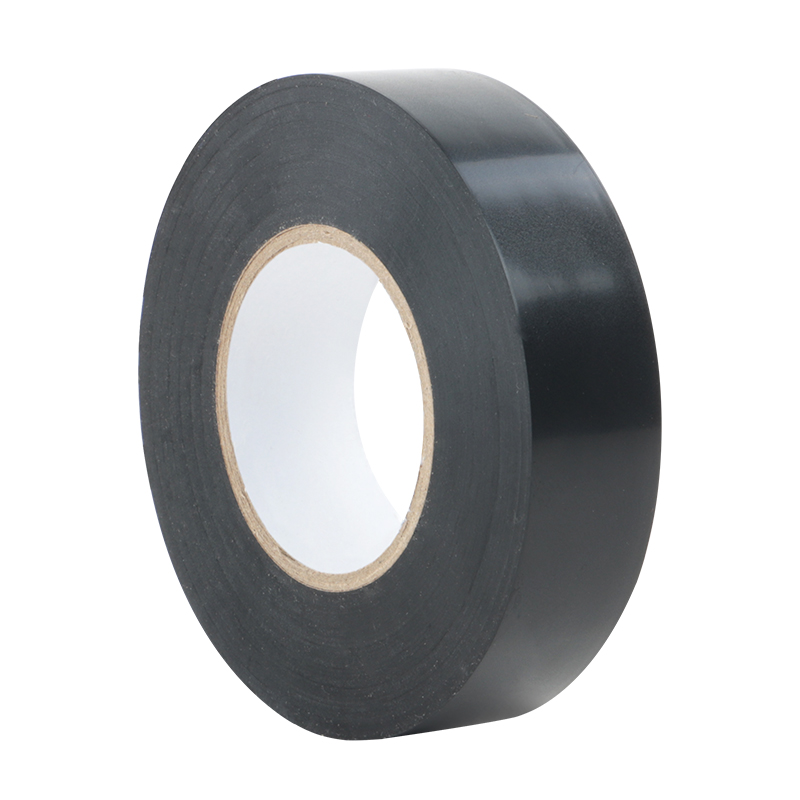
Matching the tape material to the application environment is the foundation of long-term visibility. Different polymers offer distinct advantages regarding stretch, chemical resistance, and durability. You cannot rely on visual color alone; the underlying polymer structure dictates whether a marker survives a week or a decade.
Standard vinyl formulations are ubiquitous but have strict limitations. They are best suited for temporary bundling, low-impact indoor environments, or basic wire management where environmental stressors are minimal. In harsh conditions, standard general purpose electrical tape is highly prone to plasticizer migration. The chemicals that make the tape flexible leach out under heat or chemical exposure, leaving the tape rigid, brittle, and prone to snapping. Relying on this material for permanent industrial marking guarantees premature failure. It works well for a quick fix on a 120V extension cord in a climate-controlled office, but it has no place inside a heavy manufacturing plant.
Industrial-grade Polyvinyl Chloride (PVC) offers a significant upgrade in durability. This material features superior elongation, allowing it to stretch and conform tightly around irregular wire splices without breaking. It boasts high dielectric strength, making it safe for direct application on live electrical systems. Industrial PVC provides robust resistance to acids, alkalis, and varying weather conditions. For permanent electrical color coding and phase identification, PVC phase marking tape is the engineered standard. It retains its color pigmentation even when exposed to the ambient heat of a fully loaded electrical panel.
When abrasion resistance is the primary concern, PET and polyurethane out-perform vinyl. These materials feature incredibly dense molecular structures that resist tearing and scuffing. They are rarely used for wire wrapping due to their rigidity; instead, they dominate the heavy-duty floor marking category. Facilities utilize PET and polyurethane tapes to mark aisleways, exit paths, and forklift boundaries where standard vinyl would be destroyed within days. The rigid nature of PET prevents it from stretching out of shape when a pallet is dragged across it.
Sensitive manufacturing environments, such as semiconductor fabrication or pharmaceutical laboratories, require specialized materials. Standard tapes outgas volatile organic compounds (VOCs) and shed microscopic particulates as they age. Cleanroom tapes are engineered with low-outgassing polymers and particulate-free adhesives. They provide necessary color-coding for equipment and inventory without introducing contaminants into sterile or highly controlled environments. These tapes often utilize synthetic rubber or specialized acrylics that leave zero residue upon removal.
Visibility in low-light conditions requires specialized additives. Reflective tapes utilize microscopic glass beads or micro-prismatic structures to bounce light back to its source, making them ideal for marking hazards in poorly lit warehouses. Photoluminescent (glow-in-the-dark) tapes absorb ambient light and emit a highly visible glow during power outages. These materials are critical for emergency egress marking, ensuring exit paths remain visible even when facility lighting fails entirely. They are heavily regulated and must meet specific luminance decay standards.
The most durable backing material is useless if the adhesive fails. Selecting the right electrical color coding tape requires understanding how different adhesive chemistries interact with various industrial surfaces. You must match the chemistry to the substrate.
Rubber adhesives provide exceptionally high initial tack. They grab onto surfaces immediately, making them excellent for wrapping irregular shapes, cables, and wire splices. They conform well to textured surfaces and require minimal dwell time to achieve a strong bond. Rubber formulations are generally vulnerable to high temperatures and harsh solvents. If exposed to industrial degreasers or extreme heat, the rubber will soften, lose its shear strength, and cause the tape to slide or flag. They are best used where immediate holding power is needed and chemical exposure is low.
Acrylic adhesives operate differently. They have a lower initial tack, meaning they might feel less sticky out of the roll. Acrylics build a progressively stronger, permanent bond over a 24 to 72-hour dwell period. Once cured, acrylic adhesives offer superior resistance to UV radiation, extreme temperatures, and chemical solvents. They are the ideal choice for flat, rigid industrial surfaces, permanent equipment marking, and heavy-duty floor applications where long-term environmental resistance is required. If you need a tape to survive outdoor weather for five years, you need an acrylic adhesive.
The substrate dictates the required adhesive formulation based on its surface energy. Surface energy measures how well a liquid or adhesive wets out and spreads across a surface.
High surface energy materials like bare metals, glass, and Kapton allow adhesives to flow easily and bond securely.
Low surface energy materials like powder-coated steel, Teflon, highly plasticized wire jackets, and polyethylene repel adhesives, causing edge-lift and poor adhesion.
Porous surfaces like concrete and untreated wood require highly viscous adhesives that can penetrate the pores to create a mechanical lock.
Applying a standard tape to a low surface energy powder-coated electrical panel will result in failure within days. You must specify an adhesive explicitly formulated for the surface energy of your target substrate.
Maintaining physical tape visibility is only half the equation. The colors used must strictly align with recognized industry standards to ensure universal comprehension across the workforce. Random color assignments create confusion and defeat the purpose of visual management.
OSHA and ANSI mandate specific color assignments for facility safety marking. Adhering to these standards ensures immediate hazard recognition across all departments.
Color Standard | OSHA/ANSI Designation | Common Industrial Application |
|---|---|---|
Red | Fire protection, Danger, Stop | Fire extinguishers, emergency stop buttons, flammable liquid containers. |
Yellow | Caution, Physical Hazards | Aisleways, tripping hazards, strike-against hazards. |
Green | Safety, First Aid | Eye wash stations, first aid kits, safe egress routes. |
Black/Yellow Stripes | Physical Hazard Warning | Low clearances, loading dock edges, open pits. |
Black/White Stripes | Operational Clearance | Keep-clear zones around electrical panels and forklift charging stations. |
Electrical color coding follows strict conventions to prevent catastrophic wiring errors. While local codes may vary slightly, standard AC power systems generally adhere to specific phase identification colors. For 120/208V systems, Phase A is Black, Phase B is Red, and Phase C is Blue. Neutrals are White, and Grounds are Green or bare. For 277/480V systems, Phase A is Brown, Phase B is Orange, and Phase C is Yellow. Neutrals are Gray, and Grounds are Green.
Applying the wrong color to a high-voltage phase creates a lethal trap for the next technician servicing the panel. Strict adherence to these color codes using highly durable materials is mandatory. A journeyman electrician relies on these visual cues to safely isolate power before beginning maintenance.
Implementing a consistent 5S color code system fundamentally improves operational efficiency. Consistent color-coding reduces the cognitive load on employees, allowing them to identify tools, inventory, and safe zones instantly. This visual organization minimizes the square footage required for operations, which directly reduces facility light and heat requirements. A strict color-coding system enhances tool tracking, prevents cross-contamination between different manufacturing zones, and ensures that equipment is returned to its proper location.
Even the highest-quality industrial tapes will fail if applied incorrectly. Proper implementation requires strict adherence to surface preparation protocols and application techniques. You cannot slap tape onto a dirty floor and expect it to hold up to forklift traffic.
Improper substrate cleaning causes the vast majority of tape failures. Industrial surfaces are coated in microscopic layers of machine oil, moisture, dust, and mold-release agents. Applying tape directly over these contaminants guarantees failure.
Sweep or vacuum the application area to remove all large debris and loose dirt.
Scrub the surface with an industrial degreaser to break down heavy oils and grease deposits.
Perform a final wipe-down using a high-concentration isopropyl alcohol (IPA 90%+) solution. This removes residual chemical films left by the degreaser. Do not use standard glass cleaners, as they leave adhesion-blocking surfactants behind.
Allow the surface to dry completely. Trapped moisture will destroy the adhesive bond instantly.
For extremely porous or low surface energy substrates, apply an industrial liquid primer or adhesion promoter before laying the tape.
Application techniques vary drastically based on the substrate. When wrapping wires or cables, proper tension is critical. Technicians must apply enough tension to conform the tape to the splice, but over-stretching the tape causes flagging. Flagging occurs when the stretched polymer attempts to return to its original shape, overpowering the adhesive and causing the end of the tape to unroll. Always apply the final wrap of electrical tape with zero tension to prevent this.
For flat surfaces, floors, and equipment, tension should be minimized. Lay the tape flat and immediately apply heavy pressure using an industrial tamper or a weighted roller. Pressure-sensitive adhesives require significant physical force to wet out and achieve maximum contact with the substrate's micro-texture. Simply smoothing the tape by hand is insufficient for industrial applications.
Once applied, color-coded areas require routine maintenance to remain visible. Establish a protocol for wiping down tape surfaces with non-abrasive, tape-safe cleaners. Avoid using harsh solvents or stiff wire brushes directly on the tape, as these will strip the pigmentation and degrade the adhesive edges. Regular, gentle cleaning removes particulate buildup and maintains the high-visibility impact of the 5S system without compromising the tape's structural integrity.
Visibility in industrial environments is never guaranteed simply by the color printed on the roll. Long-term performance relies entirely on the engineering of the tape's polymer backing and its adhesive chemistry. Standard office-grade tapes will rapidly succumb to chemical exposure, mechanical abrasion, and temperature extremes, leading to compliance violations and severe safety hazards. Decision-makers must systematically evaluate their specific environmental threats before purchasing. Identify whether chemicals, UV radiation, or heavy forklift traffic pose the greatest risk, select the appropriate regulatory standard, and specify the material and adhesive chemistry that can survive those exact conditions.
Conduct a facility-wide visual audit to identify areas where current tape is degrading, peeling, or fading.
Map out high-failure zones, paying special attention to heavy-traffic aisleways, chemical storage areas, and high-voltage electrical panels.
Request technical data sheets (TDS) and physical product samples from industrial tape manufacturers to verify chemical and temperature resistance.
Perform localized testing by applying samples in your harshest environments and monitoring their performance over a 30-day period before a full facility rollout.
A: General purpose tape uses basic vinyl and standard adhesives suitable for temporary, low-impact indoor bundling. It degrades quickly under harsh conditions. PVC phase marking tape utilizes industrial-grade polyvinyl chloride and advanced adhesives, offering superior resistance to UV, chemicals, abrasion, and temperature extremes for permanent electrical identification.
A: When properly matched to the environment and applied to a clean surface, industrial-grade color coding tape should last several years. High-abrasion areas like forklift aisles may require specialized heavy-duty polyurethane tapes to achieve a similar lifespan, as standard PVC will wear down faster under heavy mechanical stress.
A: Under OSHA guidelines, black and yellow striped tape warns employees of physical hazards, such as tripping risks, low clearances, or edge drops. Black and white striped tape is used to mark areas that must remain clear for operational purposes, such as the required clearance space around electrical panels or fire extinguishers.
A: No. Standard tapes use rubber adhesives and thin vinyl backings that melt or peel when exposed to industrial solvents and the mechanical scrubbing action of floor machines. You must use specialized floor marking tapes with acrylic adhesives and thick PET or polyurethane backings to withstand routine industrial cleaning.
A: Flagging occurs when tape is over-stretched during application. The polymer backing constantly tries to shrink back to its original size, eventually overpowering the adhesive bond at the end of the wrap. To prevent this, always apply the final wrap of tape with zero tension and press it firmly into place.
A: Clean tape surfaces using mild, non-abrasive detergents and soft cloths or mops. Avoid aggressive solvents like acetone or heavy degreasers, which can seep under the edges and dissolve the adhesive. Regular, gentle wiping prevents dirt buildup without compromising the tape's bond to the substrate.


