
close
Choose Your Site
Global
Social Media
 English

Views: 0 Author: Site Editor Publish Time: 2026-09-07 Origin: Site


Electrical insulation failures rarely happen because of a bad batch of tape from the factory. They happen because the tape specified does not match the physical reality of the installation environment. When you specify inadequate insulation for demanding environments, you invite severe risks. Improper temperature, moisture, or mechanical stress will compromise the adhesive bond. These factors degrade the self-extinguishing properties of the tape, leading directly to safety hazards and compliance violations. You have to evaluate environmental variables, mechanical application techniques, and industry certifications like UL 510 before selecting insulation. Choosing the right Flame Retardant Electrical Tape for high-stakes industrial or commercial applications requires looking past the specification sheet. We need to look at how temperature, moisture, chemical exposure, and installation mechanics actually impact tape performance in the field.
Temperature Dictates Adhesion: Application temperature significantly alters the viscosity of rubber-based adhesives; applying tape outside its rated thermal window risks immediate flagging or long-term delamination.
Environmental Degradation is Cumulative: UV radiation, salt spray, and chemical exposure accelerate the breakdown of PVC backing, necessitating specific formulations for marine or outdoor use.
Mechanical Tension Matters: Over-stretching during installation thins the dielectric barrier and creates mechanical memory that pulls the tape apart over time.
Compliance is Contextual: A UL 510 rating confirms flame retardancy under controlled conditions, but real-world efficacy depends strictly on proper storage, surface preparation, and installation technique.
Electrical tape relies on a precise dual-layer construction. The outer layer consists of a plasticized PVC backing. Manufacturers add specific plasticizers to raw polyvinyl chloride resin to transform rigid plastic into a highly flexible film. This backing provides the necessary dielectric strength and physical flexibility to wrap around irregular shapes like split-bolt connectors or motor leads. We pair this backing with a specialized rubber-based adhesive optimized for instant tack and strong initial grab.
Rubber adhesives offer excellent moisture resistance and bond quickly to wire splices and busbars. However, this chemistry involves inherent trade-offs. Standard rubber adhesives remain vulnerable to extreme high temperatures and specific industrial solvents. If you wrap a splice in a hot boiler room using standard tape, the adhesive matrix will soften and migrate. You must understand these chemical limitations before specifying tape for harsh environments. The adhesive must match the specific operational hazards of your facility.
Adhesive Chemistry Comparison in Electrical Tapes | |||
Adhesive Type | Primary Advantage | Primary Weakness | Best Field Application |
|---|---|---|---|
Standard Rubber | High initial tack, excellent moisture barrier | Softens at high temperatures, vulnerable to solvents | General indoor wiring, low-voltage splices |
Mastic/Butyl Rubber | Superior void-filling, heavy moisture sealing | Low mechanical strength, requires overwrap | Direct burial splices, outdoor weatherproofing |
Acrylic | High temperature resistance, UV stable | Lower initial tack, longer cure time | High-heat environments, long-term outdoor exposure |
Flame retardancy involves specific chemical reactions at the molecular level. Manufacturers embed halogenated compounds and flame inhibitors, such as antimony trioxide, into the PVC backing. These additives activate when exposed to an external heat source. They release heavy gases that displace oxygen around the flame, depriving the fire of the fuel it needs to burn. The tape becomes "self-extinguishing" through this mechanism. It stops burning once you remove the external heat source.
Many professionals confuse "fireproof" and "flame retardant." Fireproof materials completely resist burning under any conditions, which is a myth for flexible electrical insulation. Flame retardant materials resist initial ignition and actively slow the spread of fire along a cable run. They provide critical time for fire suppression systems to activate and prevent a localized short circuit from escalating into a facility-wide fire.
Freezing temperatures severely impact installation quality and long-term reliability. Cold weather causes PVC backings to become stiff and highly brittle because the polymer chains lose their mobility. Rubber adhesives simultaneously lose their tackiness below freezing. Applying standard tape in winter conditions often results in immediate failure. The tape fails to conform tightly to the splice, leaving air gaps that invite moisture ingress. You need specialized all-weather formulations for winter installations. Electricians often keep these tapes on the dashboard of their trucks with the heater running to maintain workability before application.
Excessive ambient temperatures create entirely different operational challenges. High heat compromises the thermal stability of the adhesive layer. The rubber matrix softens and loses its internal shear strength, leading to tape migration along the cable jacket. You will often see adhesive oozing from the edges of the wrap on heavily loaded motor circuits. The tape eventually unravels if it lacks a high-temperature rating. Always verify the maximum operating temperature before installation, factoring in both ambient heat and the heat generated by the cables themselves under heavy load.
High humidity directly impacts adhesive bonding during the application process. Moisture creates a microscopic barrier on the substrate surface, preventing the adhesive from achieving full contact with the wire. Direct water exposure can slowly degrade standard rubber adhesives over time. Water ingress causes electrical tracking and eventual short circuits, especially in underground vaults or washdown areas in food processing plants.
Marine and offshore applications introduce severe additional risks. Salt spray carries highly corrosive elements that attack both the PVC backing and the adhesive bond. Standard electrical tapes degrade rapidly in coastal environments, turning brittle and flaking off the wire. You must specify marine-grade industrial PVC electrical tape for these conditions. These specialized tapes resist salt corrosion and maintain their dielectric properties even under constant exposure to ocean air.
Prolonged sunlight exposure destroys standard PVC materials rapidly. UV radiation breaks down the polymer chains within the plastic backing. The tape loses its elasticity and mechanical strength over time. You will notice visible fading, chalking, and severe surface cracking on rooftop installations after just a few months. The dielectric barrier eventually fails completely under continuous exposure.
Outdoor high-low voltage repair work demands specific material properties. You must use tapes formulated with specialized UV-resistant additives. Carbon black is the most common additive used to absorb UV rays. It acts as a physical shield for the polymer chains, ensuring the tape remains intact over years of continuous outdoor exposure on service drops and outdoor substations.
Industrial environments expose insulation to harsh chemical contaminants daily. Oils, greases, and cleaning solvents routinely contact electrical panels. Acidic fumes exist in many heavy manufacturing facilities. These chemicals aggressively attack standard rubber-based adhesives, dissolving the bond and causing the tape to peel away.
Certain solvents also extract vital plasticizers from the PVC backing. This chemical extraction leaves the tape brittle and prone to cracking. You must identify potential chemical exposures before selecting your insulation material. Match the tape's chemical resistance profile to your facility's specific hazards.
Common industrial chemicals that degrade standard electrical tape include:
Hydraulic fluids and machine oils (causes adhesive swelling and loss of tack).
Toluene and Xylene (dissolves rubber-based adhesives entirely).
Methyl Ethyl Ketone (MEK) (extracts plasticizers, leaving PVC brittle).
Battery acid and sulfuric fumes (corrodes the backing material over time).
Industrial degreasers (washes away the adhesive matrix if applied directly).
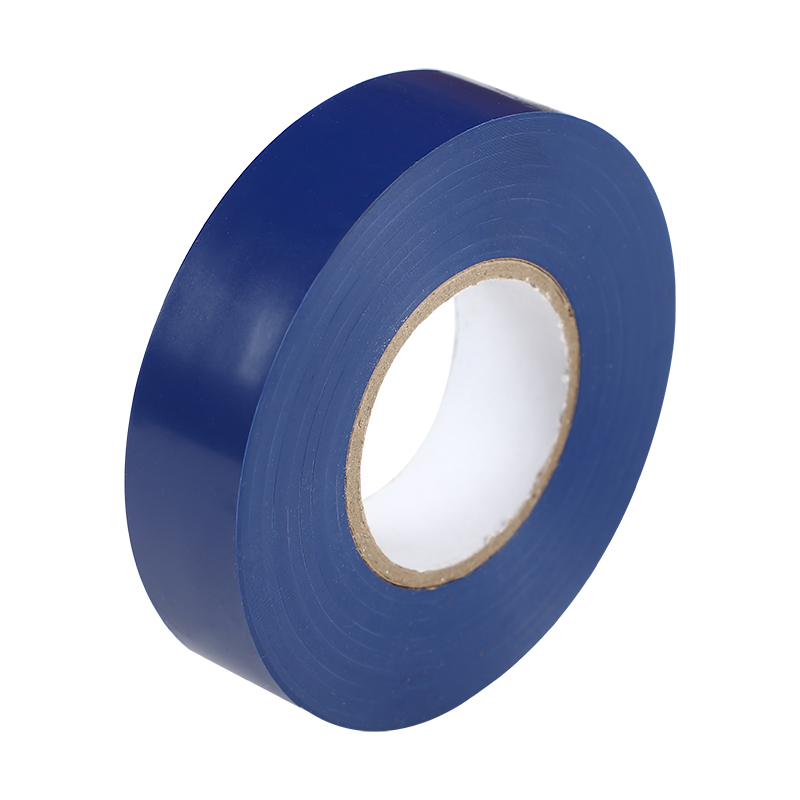
Proper stretch tension determines the success of your electrical installation. You should stretch the tape during the application process to ensure a tight, void-free moisture seal around the splice. The ideal stretch ratio falls between 50% and 75% of maximum elongation. This tension conforms the tape to irregular shapes without causing structural stress. Always use a half-lap wrapping technique, where each turn overlaps the previous one by half its width, for optimal coverage.
Over-stretching creates severe long-term mechanical problems. It thins the dielectric barrier, reducing electrical protection significantly. It also creates strong mechanical memory within the PVC backing. The tape constantly tries to return to its original length. This causes "flagging," where the end of the tape lifts and unravels from the splice. To prevent flagging, always apply the final wrap with absolutely zero tension. Cut the tape rather than tearing it, and press the final inch down firmly.
Tape thickness directly influences physical protection and ease of application. Thicker tapes range from 8.5 mil to 10 mil in construction. They offer higher dielectric strength per individual layer and provide superior puncture resistance against sharp wire edges. They also resist physical abrasion better in high-traffic areas or cable trays where wires rub against each other.
However, thicker tapes inherently sacrifice physical conformability. They struggle to wrap tightly around irregular splices, motor peckerheads, or sharp corners. Standard 7-mil tape offers excellent flexibility and ease of use. It conforms easily to complex shapes and split-bolt connectors. You should specify 7-mil tape for standard wire splicing tasks and reserve heavy-duty 10-mil variants for industrial applications requiring high mechanical protection.
A clean, dry substrate is absolutely non-negotiable for tape application. Dust, moisture, wire-pulling compound, and residual oils destroy adhesive bonds instantly. They create a micro-barrier between the tape and the wire jacket. The adhesive fails to wet out onto the surface properly, leading to premature failure regardless of the tape's quality.
You must implement strict surface preparation protocols for all technicians. Wipe down cables with approved, non-residue cleaning solvents. Ensure the solvent evaporates completely before applying the tape. Use lint-free cloths to avoid leaving debris behind. Good surface preparation guarantees the tape performs to its specified ratings and prevents callbacks for unraveling splices.
Indoor and outdoor environments demand entirely different performance baselines. Climate-controlled indoor panels experience highly stable ambient temperatures. They lack UV exposure and severe moisture threats. Standard 7-mil PVC tape performs exceptionally well in these controlled conditions. Exposed outdoor substations present a hostile operational environment. Tapes face extreme temperature swings, direct sunlight, and driving rain. Outdoor applications require heavy-duty, all-weather tape formulations.
Comparison of Indoor vs. Outdoor Tape Requirements | ||
Requirement | Indoor Applications | Outdoor Applications |
|---|---|---|
Temperature Range | 32°F to 176°F (0°C to 80°C) | 0°F to 221°F (-18°C to 105°C) |
UV Resistance | Not Required | Mandatory (Carbon Black Additives) |
Moisture Resistance | Standard Protection | High (Weather-Sealing Capability) |
Typical Thickness | 7 mil | 8.5 mil to 10 mil |
Adhesive Type | Standard Rubber | All-Weather Formulated Rubber |
Mechanical Stress | Low (Static panels) | High (Wind load, ice accumulation) |
Enclosed environments require strict evaluation criteria for electrical insulation. Transit systems, underground vaults, and marine vessels lack adequate ventilation. Standard PVC contains inherent halogens within its chemical structure. These halogens release thick, toxic smoke during a fire event. This smoke obscures escape routes and severely harms personnel trying to evacuate.
You must evaluate the specific safety regulations for confined spaces. Many jurisdictions legally require low-smoke, low-toxicity self-extinguishing PVC insulation tape. These specialized tapes prevent hazardous smoke emissions during emergencies. They maintain flame retardancy without relying on heavy halogen concentrations. They utilize alternative flame retardant chemistries to meet safety standards while protecting human life in enclosed areas.
You must establish a comprehensive framework to mitigate installation risks across your job sites. Relying on technician memory or habit leads to inconsistent application and eventual failures.
Create mandatory surface cleaning protocols for all field technicians, providing approved degreasers in all toolkits.
Establish temperature-controlled staging areas for sensitive materials, keeping tape indoors until immediately before use during extreme winter weather.
Conduct rigorous installer training on proper tensioning techniques, teaching technicians to recognize the visual signs of over-stretching.
Enforce the zero-tension rule for the final wrap on every splice.
Implement random quality assurance checks on completed splices before closing junction boxes or burying lines.
The UL 510 standard defines rigorous performance metrics for insulating tape. The OANZ2 category specifically addresses critical flame test requirements. Tapes undergo controlled burn tests to verify their self-extinguishing properties. The standard measures how quickly the flame extinguishes after removing the heat source. It also checks for flaming drips that could ignite surrounding materials below the cable run.
A UL 510 certification guarantees specific, repeatable fire resistance capabilities. Procurement teams and engineers rely heavily on this rating. It ensures baseline safety compliance for commercial and industrial projects. Always verify the UL listing number on the manufacturer's specification sheet, as counterfeit tapes often claim compliance without passing the actual laboratory tests.
The IEC 60454 standard governs pressure-sensitive adhesive tapes globally. This European and International standard categorizes tapes based on specific parameters. It evaluates temperature ratings, application environments, and physical properties. It provides a standardized testing framework for dielectric strength and adhesion to backing.
Global engineering projects utilize these ratings to standardize material selection across different continents. The IEC guidelines ensure consistency across international borders and diverse climates. They help engineers select tapes that meet local regulatory requirements and maintain global safety standards regardless of whether the installation is in a desert substation or a coastal manufacturing plant.
Engineers should conduct standard testing processes before bulk specification. Never rely solely on manufacturer data sheets for critical applications. Perform localized peel adhesion tests on your specific cable jackets to ensure the adhesive bites into the material properly. Verify the dielectric breakdown voltage using calibrated field testing equipment on sample splices.
Conduct controlled burn tests in a safe environment. Apply a torch to a wrapped sample and remove it to confirm the self-extinguishing behavior matches the published technical data. These tests ensure the tape performs to its specification sheet within your actual, real-world installation environment. Field testing reveals compatibility issues with wire lubricants or jacket materials before they cause system-wide failures.
Strict storage requirements maintain adhesive viability and flame retardancy. You must control the storage environment to prevent premature aging. Maintain room temperature, typically around 70°F (21°C) year-round. Control humidity levels strictly between 40% and 50% relative humidity. Strictly avoid direct sunlight, heat sources, and moisture exposure in the warehouse.
Keep tape in its original packaging until the moment of use. Implement a first-in, first-out (FIFO) inventory rotation system. Improper storage leads to severe chemical degradation of the materials. The rubber adhesive undergoes premature cross-linking, losing its initial tack. Plasticizers migrate out of the PVC backing, leaving the tape brittle. These reactions ruin the tape before you even open the roll, leading to immediate field failures that look like installation errors but are actually storage failures.
Request detailed technical data sheets from manufacturers before making procurement decisions. Review specific test data matching your expected environmental conditions and chemical exposures. Conduct localized sample testing on actual cable jackets to verify adhesion and conformability. Implement mandatory training for technicians focusing on proper stretch tension and surface preparation. Audit your storage facilities to ensure compliance with temperature and humidity requirements.
A: Manufacturers embed specific chemical additives and halogenated compounds into the PVC backing. When exposed to high heat, these chemicals activate and release heavy gases. These gases interrupt the combustion process by depriving the flame of oxygen. This chemical reaction allows the tape to self-extinguish once the external heat source is removed.
A: Yes, you can use it outdoors if you select the correct formulation. The specific tape must be an "all-weather" variant rated for UV resistance and extreme weather conditions. These tapes contain additives like carbon black to prevent the PVC from cracking and losing elasticity under prolonged sunlight exposure.
A: Cold weather makes the rubber adhesive rigid and the PVC backing brittle, preventing proper adhesion. Excessive heat challenges the tape's thermal stability. High temperatures make the adhesive overly soft and prone to oozing. Both extremes compromise the bond and require specialized temperature-rated tapes for successful installation.
A: UL 510 certified tapes have passed rigorous, standardized flame tests and physical property evaluations conducted by Underwriters Laboratories. Standard tapes lack this independent verification. A UL 510 rating guarantees specific self-extinguishing properties and dielectric strength, providing engineers with verified safety compliance for critical electrical installations.
A: Unravelling, or "flagging," primarily occurs due to over-stretching the tape during application. This creates mechanical memory, causing the tape to pull back. Other common causes include poor surface preparation leaving dust or oil on the wire, or applying the tape outside of its specified temperature rating.
A: You must store the tape in a cool, dry, and dark environment. Maintain temperatures around 70°F (21°C) with controlled humidity between 40% and 50%. This prevents premature aging of the rubber adhesive, stops plasticizer migration, and protects the PVC film from degrading before installation.


