
close
Choose Your Site
Global
Social Media
 English

Views: 0 Author: Site Editor Publish Time: 2026-09-11 Origin: Site


Surface damage during transit and assembly carries heavy operational costs. Rejected shipments, rework, delayed project timelines, and compromised brand reputation erode margins. When goods move through production lines and transport networks, they face constant physical threats. Micro-abrasions, blunt impacts, and environmental contaminants easily compromise delicate finishes. Metals, glass, plastics, and painted surfaces remain highly vulnerable during this journey.
Engineered protective films offer a conformal barrier against these hazards. They mitigate mechanical and environmental risks on the factory floor and in transit. This shifts your operational focus from reactive damage control to proactive surface preservation. By deploying the right film, you lock out abrasives and absorb impacts before they reach the substrate. You ensure products arrive in pristine condition, eliminating the need for repainting or polishing. Understanding how these films function is the first step toward eliminating transit damage entirely.
Mechanical Shielding: Protective films absorb and disperse kinetic energy from friction and blunt impacts, preventing localized surface failure on high-value goods.
Differential Adhesion Engineering: Successful implementation relies on adhesives formulated to bond more strongly to the tape's backing film than to the product surface, ensuring a secure hold during transit and a smooth, residue-free peel upon delivery.
Material Specificity: Selecting the right backing material—such as an easy tear PVC protective tape for manual application or a specialized UV-resistant film for outdoor storage—dictates the success of the protection strategy.
Cost-to-Value Ratio: The upfront cost of surface protection tape is consistently offset by the reduction in scrap rates, warranty claims, and labor hours spent polishing or repainting damaged goods.
Shifting loads and transport vibrations generate severe shear forces. These forces act directly on unprotected surfaces. Improper handling tools compound this issue on the warehouse floor. Vulnerable products like bicycle frames, automotive parts, and machined electronics suffer immediate cosmetic degradation. When a forklift drops a pallet roughly, the kinetic energy transfers through the packaging. If components rub against cardboard or strapping, friction causes micro-scratching.
Over hundreds of miles of highway transit, continuous vibration amplifies these minor abrasions. The clear coat on a car part or the anodized finish on a metal extrusion quickly wears down. You must interrupt this kinetic transfer to preserve the finish. Engineers identify several primary impact zones during standard logistics operations:
Pallet edges where strapping materials bite into the product packaging.
Contact points between nested components inside bulk shipping crates.
Exposed corners of machined parts facing the exterior of the load.
Surfaces resting directly against wooden skids or rough plastic pallets.
Microscopic dust and environmental debris act as abrasive agents. Metal shavings from nearby machining stations often settle on finished goods. When trapped against a delicate finish, these particles cause severe damage. Any movement grinds the debris directly into the substrate. This creates a sandpaper effect during early production stages. Even microscopic silica dust etches glass and polished plastics permanently.
You cannot rely on cleanroom conditions for standard logistics. Particulate contamination is inevitable during loading and unloading. A physical barrier keeps these abrasive agents away from the final finish. Different contaminants present unique threats to unprotected substrates.
Contaminant Type | Common Source | Effect on Unprotected Substrate |
|---|---|---|
Silica Dust | Concrete floors, outdoor staging | Micro-etching on glass and high-gloss plastics |
Metal Swarf | CNC machining stations, cutting bays | Deep gouges and galvanic corrosion on bare metals |
Airborne Oils | Hydraulic equipment, forklifts | Staining and prevention of secondary coating adhesion |
Cardboard Fibers | Shipping cartons, edge protectors | Dulling of polished finishes through continuous friction |
Loose-fitting tarps and moving blankets often cause the damage they intend to prevent. Wind and vibration cause these covers to flap and shift continuously. This movement rubs trapped dirt directly into the product surface. Tarps create friction points that dull high-gloss finishes over time. In contrast, adhesive-backed films provide a static, immovable barrier.
They bond directly to the substrate, leaving no room for friction. Because the film cannot shift, it cannot scratch the product. Conformal adhesion entirely eliminates the micro-movements that plague loose covers. When you apply a film directly to the part, you remove the air gap where dust settles. This direct contact method outperforms draped protection in every measurable logistics metric.
Polymer backings possess specific tensile strength and elongation properties. When an impact occurs, the film stretches to absorb the kinetic energy. This energy disperses across the surface area of the tape. It prevents the force from concentrating on a single microscopic point. The tape acts as a sacrificial shock absorber. If a tool drops on a protected metal sheet, the polymer yields.
It takes the gouge so the metal beneath remains untouched. High-elongation films excel at absorbing blunt force without tearing. This mechanical shielding proves necessary for heavy industrial transport. Engineers measure this capability through elongation-at-break testing. A film that stretches 300% before tearing offers significantly more impact absorption than a rigid film that snaps at 50% elongation.
A consistent adhesive layer prevents the protective film from shifting. It anchors the polymer backing firmly to the substrate. This stabilization ensures that any abrasive friction occurs strictly on the tape layer. The product surface remains completely isolated from shear forces. The adhesive acts as a microscopic shock absorber as well. It dampens vibration between the film and the product.
A properly formulated adhesive maintains this bond under extreme stress. It never allows the film to slide, bunch up, or wrinkle during transit. If the adhesive fails and the film wrinkles, the ridges of the wrinkle become high-friction points. These ridges catch on packaging materials and tear. Maintaining a flat, stabilized bond prevents this cascading failure.
Continuous tape application creates an impermeable environmental barrier. It locks out moisture, oxidation, and chemical exposure. This protects goods during long-distance shipping and outdoor staging. Bare metals flash-rust quickly when exposed to high humidity. Rainwater carries acidic contaminants that etch automotive clear coats. A conformal film seals the surface entirely.
It prevents oxygen and water from interacting with the substrate. You eliminate the risk of water spots, rust, and chemical staining. The product remains perfectly preserved until the end-user peels the film away. For ocean freight, this sealing capability prevents salt spray from initiating galvanic corrosion on aluminum and steel components.
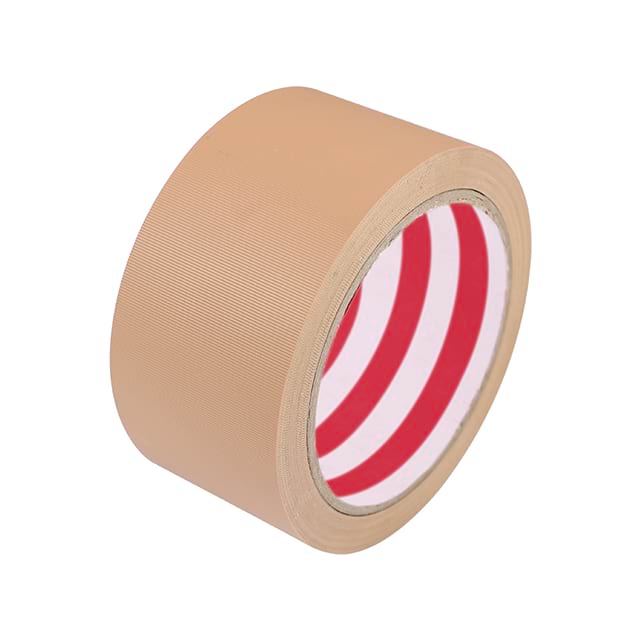
Polyethylene (PE) films offer excellent cost-effectiveness and reliable puncture resistance. They dominate general manufacturing and standard transit applications. PE handles light to medium impacts efficiently. Polyurethane (PU) films serve premium automotive and aerospace sectors. PU offers extreme high-impact resistance and self-healing properties. It absorbs rock chips and heavy abrasions without failing.
However, PU requires a significantly higher upfront investment. You should specify PE for temporary transit protection. Reserve PU for long-term, high-value asset preservation where impact risks are severe. The choice between these polymers dictates the baseline durability of your packaging strategy. PE films can be co-extruded with different densities to modify their flexibility, making them highly adaptable for flat metal sheets and glass panels.
High-volume assembly lines demand speed and efficiency. Operators cannot waste time cutting films with knives or scissors. Using an easy tear PVC protective tape solves this operational bottleneck. These tapes feature straight-tear characteristics built into the polymer matrix. Workers apply and snap the tape by hand instantly.
PVC also offers superior conformability to curved and irregular surfaces. It stretches smoothly over complex geometries without lifting at the edges. This reduces application time drastically while maintaining a secure, tight seal around vulnerable components. When wrapping cylindrical parts or extruded aluminum profiles, the dead-stretch properties of PVC prevent the tape from shrinking back and exposing the ends of the product.
Highly contaminated environments require specialized shielding. Construction sites and heavy machining floors generate massive particulate loads. You need a dustproof surface protection tape to handle these extremes. These tapes feature static-free properties to repel airborne dust. They also require exceptional edge-seal integrity.
If the edges lift even slightly, microscopic dust ingresses beneath the film. Once dust gets trapped, it scratches the surface during removal. A high-quality dustproof tape maintains a relentless grip at the borders. It ensures zero particulate ingress, regardless of the surrounding environment. This edge-seal performance is non-negotiable when staging finished architectural panels near active drywall or masonry work.
Clear films allow for immediate visual inspection of the protected product. Quality control teams can scan barcodes directly through the tape. This accelerates logistics and inventory management. However, clear films often lack robust UV inhibitors. Opaque or color-coded tapes excel in outdoor storage scenarios. Black and white co-extruded films block UV rays entirely.
They prevent the sun from baking the adhesive into the substrate. Color-coded films also help workers identify different parts or processing stages instantly on the factory floor. Choose clear for indoor logistics and opaque for outdoor staging. Using a blue or green tinted film provides a middle ground, offering some visual identification while still allowing operators to see the substrate beneath.
You must match the adhesive tack to the substrate's surface energy. High surface energy materials, like bare metals and glass, require low-tack adhesives. The tape wets out easily and bonds firmly without needing aggressive glue. If you use high-tack tape on glass, removal becomes nearly impossible. Low surface energy materials, like textured plastics or carpets, demand high-tack adhesives.
The adhesive must flow into the microscopic textures to grip the surface. Selecting the wrong tack level guarantees failure. The tape will either fall off during transit or leave massive residue upon removal. Engineers use dyne pens to measure surface energy before specifying an adhesive formulation. A surface measuring above 45 dynes/cm generally pairs best with low-tack acrylic adhesives.
Extreme climates destroy standard adhesives rapidly. Shipments crossing deserts or sitting in summer staging yards face intense heat. UV rays degrade polymer backings, making them brittle. Heat causes adhesives to melt and cross-link with the product's clear coat. You must evaluate the UV rating and temperature tolerance of the tape.
Specify UV-resistant films rated for 3 to 6 months of outdoor exposure if staging outside. Ensure the adhesive is formulated to release cleanly even after baking in 120-degree Fahrenheit environments. Never use standard indoor tapes for outdoor logistics. A specialized Protective Tape designed for exterior use incorporates carbon black or titanium dioxide to reflect and absorb damaging radiation.
Tape thickness directly correlates with impact protection. Light-duty transit requires only 2-mil to 3-mil films. This is sufficient for protecting glass or polished aluminum from minor scratches. Heavy industrial shipping requires significantly thicker barriers. Stamped metal parts or heavy machinery need 5-mil to 8-mil films.
Thicker films resist deep gouges from forklifts and shifting pallets. However, thicker films are less conformable. You must balance the need for impact resistance with the complexity of the product's shape. Use thick films for flat, heavy items and thinner films for complex, delicate parts. The following table outlines standard thickness recommendations based on transit conditions.
Film Thickness | Transit Environment | Typical Substrates |
|---|---|---|
2-mil to 3-mil | Indoor logistics, short-haul trucking | Glass, polished aluminum, smooth plastics |
4-mil to 5-mil | LTL freight, mixed pallet loads | Painted metals, architectural panels, extrusions |
6-mil to 8-mil | Heavy industrial transport, flatbed shipping | Machined steel, heavy equipment, textured surfaces |
Adhesive transfer is the most common failure point in surface protection. It leaves a sticky, hard-to-remove residue on the product. Chemical incompatibility between the adhesive and the substrate causes this issue. Over-extending the tape during application also stresses the adhesive, leading to ghosting. Exceeding the manufacturer's recommended dwell time is another major culprit.
If a tape is rated for 30 days, leaving it on for 90 days guarantees residue. You must strictly adhere to dwell time limits. Always test the tape on a hidden area before full-scale deployment. When ghosting occurs, operators must use specialized citrus-based solvents to clean the surface, which adds unexpected labor costs and slows down final assembly.
Applying tape over dirty surfaces guarantees premature failure. Residual dust, machine oil, and moisture create a physical barrier. They prevent the adhesive from wetting out and bonding to the actual substrate. The tape sticks to the dirt instead of the metal or plastic. During transit, vibration quickly shakes the tape loose.
The edges lift, and the protection fails entirely. You must implement strict surface preparation protocols. Ensure all surfaces are completely dry and free of oils and dust before application. A clean surface is non-negotiable for secure adhesion. Wiping down parts with isopropyl alcohol prior to lamination ensures the adhesive anchors directly to the intended finish.
Operators often stretch tape too tightly during manual application. This introduces severe mechanical stress into the polymer backing. Polymers have a natural memory and constantly try to shrink back to their original state. This shrinking force pulls the tape away from the substrate. It causes immediate edge lifting.
Lifted edges invite dust and moisture beneath the film. To prevent this, apply the tape with zero tension. Let it lay flat naturally. Press it down firmly without pulling or stretching the roll. When wrapping corners, fold the tape rather than pulling it tight. This neutral-tension application method ensures the film remains flat and secure throughout the entire transit cycle.
Manual application introduces human error and inconsistency. You must standardize the process to ensure reliable protection. Use automated laminators for flat sheets and large extrusions. Laminators apply consistent pressure and zero tension. For manual application on complex parts, provide operators with felt-tipped squeegees.
Squeegees force air out and ensure full adhesive contact. Train your team to avoid stretching the film. Implement quality control checks to inspect for air bubbles and edge lift before the product leaves the facility. Consistent application yields consistent protection. Documenting these application procedures in your standard operating guidelines prevents new hires from making costly tension and alignment mistakes.
Request detailed technical data sheets from your tape manufacturer to verify UV ratings, adhesive compatibility, and maximum dwell times.
Conduct small-scale dwell-time testing on actual product samples under simulated transit conditions before committing to a bulk order.
Evaluate multiple film thicknesses to find the optimal balance between impact resistance and conformability for your specific product geometry.
Implement a strict surface cleaning protocol on your assembly line, utilizing isopropyl alcohol wipes prior to tape application.
Train your packaging team to apply films without tension using proper squeegee techniques to eliminate edge lifting and air bubbles.
A: Safe dwell time varies by product, typically ranging from 30 days to 6 months. Environmental factors like UV exposure and heat accelerate adhesive degradation. Always check the manufacturer's specifications and remove the tape before the maximum rated dwell time expires to prevent residue transfer.
A: Residue occurs due to exceeding dwell times, UV baking, chemical incompatibility, or stretching the tape during application. Prevent it by matching the adhesive to the substrate, applying the film without tension, and strictly observing the manufacturer's removal deadlines.
A: Dust and oil create a physical barrier between the adhesive and the substrate. This prevents the tape from bonding securely. Poor adhesion leads to edge lifting, premature detachment, and complete loss of surface protection during transit.
A: PVC tape features a straight-tear property, allowing operators to snap it by hand without cutting tools. It conforms better to curved surfaces. Standard PE film is highly puncture-resistant but usually requires a blade for clean cutting on the assembly line.
A: Apply the tape evenly without stretching it. Use a felt-tipped squeegee or an automated laminator to apply consistent, firm pressure. This forces trapped air outward and ensures full adhesive contact with the substrate, preventing pockets where moisture can gather.
A: For heavy industrial transport involving stamped metals or heavy machinery, use tapes ranging from 5-mil to 8-mil in thickness. Thicker films absorb heavier blunt impacts and resist deep gouging from forklifts, shifting pallets, and rough handling.


