
close
Choose Your Site
Global
Social Media

 English

Views: 0 Author: Site Editor Publish Time: 2026-10-27 Origin: Site


Picture a high-stakes tournament. The crowd roars. Athletes lock in a fierce grapple. Suddenly, the action abruptly halts. A wrestler's toe has caught in a separated mat seam. Nothing disrupts the flow of a match quite like athletic flooring splitting apart under pressure. It introduces a severe risk of immediate injury and completely shatters the momentum of the bout.
Improperly secured mats do more than just cause clumsy toe-catches or rolled ankles. They create dark and damp crevices that trap harmful bacteria, accelerating the premature wear of expensive athletic flooring. Whether you are a coach setting up for a sprawling high school invitational or a gym owner managing a local MMA academy, mastering the correct application techniques is an absolute necessity.
In this comprehensive guide, we walk you through the precise application methods required to seamlessly join your flooring. Furthermore, we delve into expert preparation tips, highlight common installation mistakes to avoid, and explain why selecting heavy-duty adhesive materials remains the cornerstone of facility safety.
Preparation is Key: Athletic flooring must be meticulously cleaned, completely dry, and tightly compressed together before any adhesive touches the surface. Skipping this foundational step compromises the entire application.
Choose the Right Material: Always utilize dedicated sports adhesives. Substituting with household tapes or highly textured athletic grips inevitably leaves permanent residue or causes severe friction burns to athletes.
Mind the Tension: Unrolling tape too tightly forces the mat ends to curl upward, creating a dangerous tripping hazard. Conversely, a loose application breeds hazardous air bubbles and structural wrinkles.
Safe Removal: Peeling tape back at a low 45-degree angle protects the mat's expensive vinyl coating from physical tearing and significantly minimizes sticky residue.
Understanding the mechanical forces at play on athletic flooring is crucial for anyone managing a combat sports facility. Securing your mats is not merely a cosmetic finishing touch. It acts as the primary structural defense against catastrophic joint injuries and costly property damage.
In explosive sports like wrestling, MMA, or Brazilian Jiu-Jitsu, the kinetic energy exerted on the floor is immense. Specifically, during rapid directional changes or heavy takedowns, even a millimeter of separation between unsecured panels becomes a dangerous trap. An athlete's toe can easily snag in this gap. This leads to sudden deceleration that frequently results in severe sprains or hyperextended joints. A properly applied adhesive strip acts as a structural bridge. It distributes the shock across multiple panels, ensuring an uninterrupted surface that supports safe and aggressive pivoting.
Recent industry analyses reveal a massive shift in combat sports facility management. There is now a hyper-focus on advanced infection control protocols. Post-pandemic facility audits show that gym owners are moving away from temporary fixes and investing heavily in strict zero-gap tolerances. Unsealed seams act as microscopic canyons where sweat, saliva, and diluted cleaning fluids pool together. These dark crevices quickly become breeding grounds for ringworm, MRSA, and stubborn staph infections. By tightly sealing these connections with specialized non-porous materials, fluids remain on the surface. This allows standard sanitization protocols to effectively neutralize biological hazards before they spread among the team.
Commercial gym flooring represents a significant capital investment. The exposed edges of these panels are undeniably their most vulnerable points. If left unsealed, the repeated friction of athletes dragging their wrestling shoes across the gap causes the vinyl coating to fray and peel away from the underlying foam core. Sealing these connections protects the structural integrity of the edges, effectively extending the operational lifespan of your system by several years.
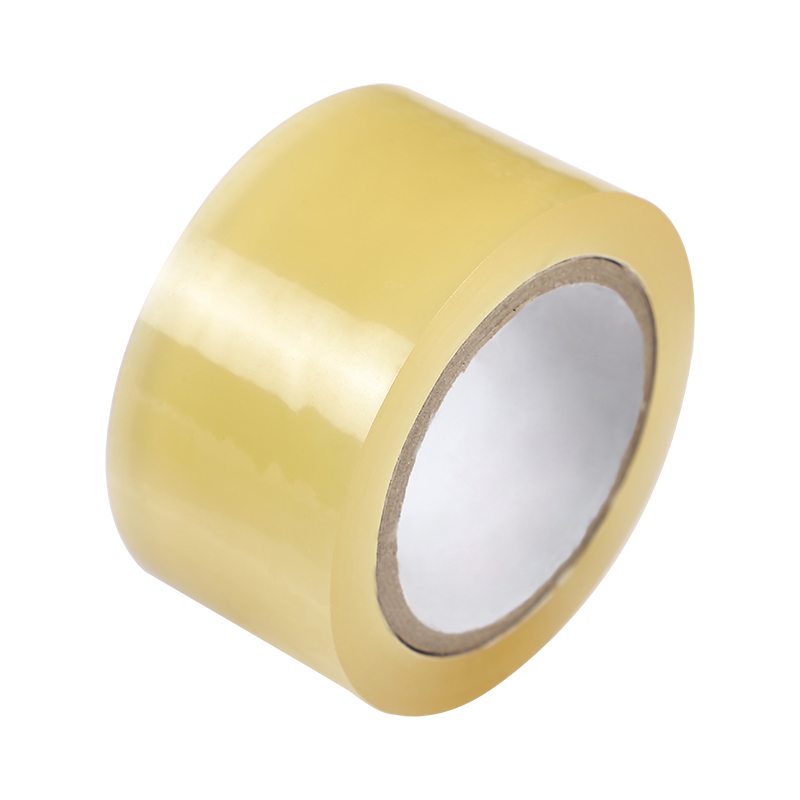
Selecting the correct adhesive product dictates the success or failure of your flooring setup. Not all tapes possess the engineering required to withstand the intense shear forces and chemical environments unique to combat sports.
Industry standards strictly dictate the use of purpose-built materials. High-quality wrestling mat tape is typically manufactured to a robust thickness of 8 mils. This specific specification provides the exact tensile strength needed to resist tearing under heavy and concentrated loads. It is usually 3 to 4 inches wide and completely transparent, ensuring that boundary lines and team logos remain clearly visible.
These specialized tapes utilize a pressure-sensitive and non-aggressive adhesive compound. This formulation creates a formidable temporary bond during active use but releases cleanly without ripping the protective clear coat during post-tournament teardowns.
Substituting proper materials with general-purpose hardware store tapes inevitably leads to property damage and athlete injury. For instance, hockey stick grip tape is brilliantly engineered to increase friction between a player's glove and their equipment. However, if applied across a grappling surface, its highly textured woven cloth acts exactly like sandpaper against human skin. This causes severe and bleeding mat burns in seconds.
In contrast, industrial duct tape relies on highly aggressive rubber-based adhesives meant for permanent holding. When slapped onto soft athletic panels, it bonds permanently to the vinyl. Attempting to remove it will either tear the top layer of the mat entirely or leave behind a thick tar-like residue that ruins the aesthetic and attracts dirt.
Feature | Dedicated PVC Wrestling Tape | Duct Tape | Hockey Grip Tape |
|---|---|---|---|
Adhesive Type | Pressure-sensitive, clean release | Aggressive rubber, permanent | Aggressive, high-tack |
Surface Texture | Smooth, frictionless | Slightly textured | Woven cloth, highly abrasive |
Residue Risk | Minimal to None | High, tar-like | Moderate to High |
Safety Rating | Optimal for skin contact | Causes mat burns | Causes severe friction burns |
Even the most expensive premium-grade adhesive fails miserably if surface preparation is neglected. The chemical bond of pressure-sensitive glues requires very specific environmental and physical conditions to activate correctly.
Adhesives are highly sensitive to thermal fluctuations. Before you begin dispensing from the roll, both the flooring and the tape must acclimate to the room's ambient temperature. Technical specifications generally recommend a stable environment between 65°F and 80°F. If the gymnasium is freezing, the adhesive hardens and fails to "wet out" onto the surface, leading to immediate peeling. Conversely, in a sweltering room, the glue becomes excessively gooey, resulting in shifting seams during practice.
Tape simply will not stick to evaporated sweat, body oils, dust, or damp chemical sanitizers. The immediate 4 to 6 inches on either side of the connection line must be meticulously wiped down. Use an approved non-residue cleaner or a diluted isopropyl alcohol solution. Crucially, allow the surface to air-dry completely. Trapped moisture neutralizes the adhesive instantly and creates a micro-environment for mold.
There is a strict zero-gap tolerance when laying out athletic flooring. Before the tape is even unrolled, the panels must be compressed tightly together. Coaches frequently use the "walk-together" method. Two individuals stand on adjacent panels and use their body weight to stomp and shift the foam until the connection is completely flush. Any pre-existing gap rapidly widens under the stress of athletic activity, stretching the material until it snaps.
Applying an adhesive strip across a 40-foot span requires mechanical precision and consistency. Following this standard operating procedure guarantees a flat, secure, and hazard-free connection.
Begin at the absolute outer boundary of the layout. Peel back just enough material to handle comfortably, pressing the first 3 to 4 inches firmly onto the surface. Ensure it is perfectly centered over the crack with equal widths covering both adjoining panels. This initial anchor point is critical because it bears the foundational tension for the rest of the roll. Rub this anchor vigorously with the heel of your palm to activate the pressure-sensitive glue.
The most effective installation utilizes the "walk and unroll" technique. Keep the roll low to the ground and unspool 2 to 3 feet at a time, maintaining a laser-straight line directly over the connection. Do not stretch the material. Vinyl has an elastic memory. If you pull it tightly while unrolling, it inevitably attempts to shrink back to its original length hours later, causing the ends to curl upward. Simply lay it flat with zero added tension.
As the first person walks forward unrolling, a second person should follow immediately behind to secure the bond. Grab a clean microfiber towel folded in half or use a specialized weighted roller. Press down firmly along the center line, then push outward toward the edges. This outward sweeping motion aggressively forces trapped air bubbles out from underneath, ensuring maximum surface contact.
When you reach the opposite end of the layout, avoid tearing the material by hand. Use sharp scissors or a designated cutter to make a clean and straight slice exactly at the edge of the foam. Material that overhangs the edge sticks to the subfloor or collects dust, eventually acting as a lever that peels the entire strip backward.
Athletic flooring systems are not universally identical in their material composition. Adapting your technique based on the specific core material is a hallmark of professional facility management.
Roll-out systems have become incredibly popular for multi-purpose facilities and home gyms due to their rapid deployment capabilities. Because their cross-linked polyethylene foam backing is lightweight and highly compressible, these panels are prone to slight horizontal expansion and contraction depending on room humidity and grappling pressure. In these dynamic scenarios, utilizing highly flexible PVC sports seam tape is essential. The polyvinyl chloride composition provides the necessary elasticity, allowing the connection to stretch slightly alongside the foam's movement without snapping or losing its grip.
Traditional panel systems, often constructed from heavy-duty rubber nitrile foam, present a different mechanical challenge. They are significantly denser and heavier, meaning they rarely shift horizontally. However, their weight means that if the subfloor is uneven, a dangerous vertical lip can form at the connection. When taping these heavy-duty setups, focus intensely on the smoothing phase. The tape must act as a rigid bridge, enforcing strict surface leveling so athletes do not catch their toes on a raised edge during sliding movements.
Even with premium supplies, human error during the installation phase can compromise the integrity of the surface. Recognizing and correcting these mechanical failures quickly is vital.
One of the most frequent visual indicators of a botched installation is the material curling upward at the extreme ends of the layout. This is rarely a defect of the product itself. Rather, it is a direct result of improper tensioning. When an installer pulls aggressively from the roll, they stretch the backing. Over a period of hours, this retraction force overcomes the glue at the weakest points near the cut ends. The only fix is to remove the current strip, let the panels settle, and reapply a new strip using the zero-tension lay-flat method.
Longitudinal wrinkles occur when the installer veers off the center line and twists the roll to correct their trajectory. Large air bubbles happen when the smoothing step is skipped, trapping ambient air pockets. A reduction in surface contact directly correlates to a reduction in holding power. While piercing a large bubble with a fine pin releases the air, it introduces a permanent puncture into the moisture barrier. For maximum safety, gently lifting the affected section and reapplying it flatly is the preferred course of action.
A seam splitting open in the middle of a tournament bracket is a logistical nightmare. Mid-event peeling is almost exclusively caused by environmental contamination. If the surface contained residual evaporated sweat, or if the room was freezing cold during application, the glue bonded to the moisture layer rather than the vinyl substrate. To fix this, halt the match, wipe the exposed area with a fast-drying alcohol solution, ensure it is bone-dry, and apply a fresh strip.
The lifecycle of your setup concludes with teardown. Executing this phase incorrectly causes irreversible delamination to the vinyl coating.
Never grab the end of the strip and rip it straight up toward the ceiling. A 90-degree vertical pull places immense upward shear stress on the panel, which can literally rip the vinyl clear coat away from the foam core. Instead, utilize the 45-degree pull technique. Keep your hand low to the ground and pull the material steadily back over itself at a low acute angle. This specific vector shifts the mechanical force, breaking the chemical bond cleanly without stressing the flooring.
Even premium brands may leave minor traces of tackiness if left on for extended periods, such as in a permanent dojo setup. Never use abrasive scrubbers or harsh industrial solvents like acetone, as these melt the vinyl. Instead, rely on specialized non-abrasive mat adhesive removers or mild citrus-based solvents. Apply the cleaner to a microfiber towel, gently rub the sticky area until the polymer chains break down, and wipe clean with water to prep the area for its next use.
Properly securing your athletic flooring is a straightforward but highly precise process that directly dictates the safety of your athletes and the longevity of your equipment. By taking an extra ten minutes to meticulously clean and align your layout before application, you prevent mid-match blowouts and dangerous tripping hazards.
Always invest in premium purpose-built adhesive solutions rather than cutting corners with harsh industrial alternatives. By combining the right preparation, the correct tensioning techniques, and safe removal practices, you ensure that your facility remains pristine, hygienic, and tournament-ready for years to come. For facility managers and coaches demanding tournament-grade reliability, selecting the right engineered materials is non-negotiable. Explore professional-grade solutions tailored for your facility at https://www.ipvctape.com to ensure your athletes train and compete on a flawless and secure surface.
For permanent facility setups with low to moderate daily use, a high-quality application can maintain its structural integrity for several weeks, provided the surface is cleaned properly. However, for high-impact tournaments, training camps, or temporary setups, the strips should be removed immediately after the event concludes. Leaving it on too long accelerates adhesive degradation and complicates hygiene protocols.
Absolutely not. Grip tapes feature a textured cloth surface engineered specifically to create friction, which will cause severe friction burns on an athlete's skin during grappling. Duct tape utilizes an aggressive and permanent adhesive that will delaminate the vinyl coating upon removal and leave a severe tar-like sticky residue. Always use dedicated sports seam tape designed specifically for athletic flooring.
Adhesive residue is typically the result of three specific variables. First, leaving the product on the floor for an extended duration allows the glue to cure. Second, exposing the facility to high ambient temperatures breaks down the glue's cohesive properties. Third, utilizing a low-quality brand not formulated for clean removal leaves heavy residue behind.
Standard industry widths are 3 inches and 4 inches. A 3-inch width is generally sufficient for standard practice sessions and lightweight daily use. A 4-inch width provides a significantly wider surface area for the glue to bond, offering maximum security and shear resistance for high-impact tournaments and heavy-duty traditional panels.
No. Once it is lifted from the substrate, the microscopic structure of the glue is permanently altered. Furthermore, it immediately collects dust, sweat, and environmental debris from the air. Reapplying a used strip results in a severely weakened bond that cannot safely withstand the horizontal shear forces generated during a live match.
Yes, temperature plays a massive role in adhesive performance. Cold environments cause the glue to harden, preventing it from gripping the vinyl properly. Hot environments make the adhesive overly soft, leading to shifting seams and sticky residue. Always aim to apply the product in a climate-controlled room between 65°F and 80°F.
Avoid harsh chemicals like bleach or acetone. Instead, apply a citrus-based adhesive remover or a small amount of rubbing alcohol to a microfiber cloth. Gently work the solvent into the sticky spot in circular motions until the residue breaks down, then wipe the area clean with a damp cloth to remove any leftover cleaner.


