
close
Choose Your Site
Global
Social Media

 English

Views: 0 Author: Site Editor Publish Time: 2026-09-13 Origin: Site


Carton failure during transit creates a compounding operational burden. When heavy parcels burst open across multiple logistics touchpoints, warehouses face immediate spikes in rework, pilferage, and damaged goods. Standard polypropylene tapes frequently fail under the stress of heavy loads, extreme temperature fluctuations, or rough handling. To compensate, packing stations often resort to inefficient multiple-strip sealing, wasting material and labor time.
Polyvinyl chloride tape provides an engineered alternative for high-stress packaging environments. Designed with aggressive adhesives and a thick, flexible backing, it withstands the rigors of modern freight networks. This technical evaluation guides procurement and warehouse managers in identifying when standard materials fall short and how upgrading sealing protocols can stabilize heavy-duty shipping operations.
Material Superiority for Heavy Loads: PVC packaging tape offers superior flexibility, puncture resistance, and burst strength compared to standard BOPP tape, making it the standard for shipments over 40 lbs that endure frequent handling.
Operational Efficiency: The aggressive tack of natural rubber adhesives used in PVC tapes enables secure, single-strip sealing, directly reducing labor time and material waste in busy shops and enterprise warehouses.
Application-Specific Formulations: Specialty PVC tape and PVC can sealing tape provide critical moisture barriers and secure seals for non-standard, cylindrical, or high-humidity packaging requirements, particularly in the food and beverage sectors.
Establishing a reliable baseline for carton sealing requires understanding the material science behind the tape. PVC tape combines a durable polyvinyl chloride backing with a highly aggressive natural rubber adhesive. This specific chemical pairing creates a packaging solution designed for maximum structural integrity. Unlike rigid plastics, the PVC backing possesses inherent elasticity. It absorbs physical shocks during transit without compromising the seal.
Successful carton sealing relies on strict performance metrics. The primary success criterion is zero-peel transit survival. Packages must endure multiple handling touchpoints, conveyor belt transitions, and rough sorting processes without the tape lifting from the corrugated surface. Tamper evidence serves as another critical metric. A proper seal must bond so aggressively to the carton fibers that any attempt to remove it leaves obvious structural damage to the box. Consistent unwind tension directly impacts application speed and operator fatigue, making it a vital operational requirement for high-volume fulfillment centers.
To understand the stress placed on a carton seal, we must map the standard journey of LTL (Less Than Truckload) freight. A single package typically survives six distinct physical touchpoints before reaching the end user:
Initial packing and manual sealing at the fulfillment station.
High-speed conveyor transport and automated sorting impacts.
Palletization and the downward compression of stretch-wrapping.
Forklift loading and vibration inside LTL trailers.
Cross-docking transfers and manual sorting at regional distribution hubs.
Final mile delivery handling, dropping, and carrying by couriers.
The ultimate goal in warehouse packing is achieving the single-strip standard across all these touchpoints. Applying one piece of packaging tape down the center seam should provide enough holding power to secure heavy contents. Standard shipping operations frequently rely on the "H-tape" method, applying tape to the center seam and all four edge seams to prevent bursting. This method triples material consumption and significantly increases repetitive motion for packers. Transitioning to a high-tack, high-strength PVC solution eliminates the need for H-taping on standard heavy shipments. Operators seal the box in one fluid motion, drastically reducing processing time per parcel.
Implementing the single-strip standard requires a specific application technique on the packing line to maximize the natural rubber adhesive's effectiveness:
Center the carton flaps perfectly to ensure equal surface area for the tape to grip on both sides of the seam.
Extend the tape tail at least two to three inches down the side of the carton before pulling across the top seam.
Apply firm, even downward pressure across the entire length of the tape using the dispenser's wipe-down roller.
Cut the tape cleanly, leaving another two to three-inch tail on the opposite side of the box.
Perform a final manual wipe-down with the hand to activate the pressure-sensitive adhesive against the corrugated fluting.
Understanding the mechanical differences between PVC and BOPP is essential for optimizing packaging lines. While BOPP serves adequately for lightweight, automated applications, it behaves very differently under physical stress.
Tensile strength and elongation dictate how tape responds to impact. When a heavy box drops or shifts violently in a trailer, the internal contents exert sudden outward pressure on the center seam. PVC tape stretches. It absorbs the kinetic energy of the shifting load, elongating slightly to maintain the seal. BOPP tape lacks this elasticity. Once punctured or subjected to sudden lateral stress, BOPP tends to snap or tear completely along the fault line. This lateral tearing exposes the contents and compromises the entire package structure.
Shear strength represents another major divergence between the two materials. Shear strength measures the adhesive's ability to resist sliding forces. When a heavy box is picked up by its top flaps, the tape experiences massive shear stress. Natural rubber adhesives on PVC backings exhibit exceptional shear resistance, preventing the tape from slowly sliding off the carton fibers. Acrylic adhesives on BOPP tapes often suffer from shear failure under heavy loads, slowly creeping until the box pops open.
Adhesion profiles determine how quickly and securely the tape bonds to the carton. PVC utilizes a natural rubber adhesive known for its aggressive, immediate tack. It grabs the corrugated fibers instantly upon contact. Standard BOPP tapes typically rely on acrylic or hot-melt adhesives. Acrylic adhesives require a longer cure time to reach maximum hold, making them vulnerable to immediate stress right off the packing line. Hot-melt adhesives offer good initial tack but often struggle in extreme temperatures. Natural rubber provides a superior, instant bond that holds firm across varying environmental conditions.
The application environment also dictates material choice. PVC tape features a "quiet release" property. When pulled from the roll, it unwinds smoothly and silently. BOPP tape, particularly with acrylic adhesive, produces a loud, harsh crackling noise during unwind. In confined packing stations, retail backrooms, or fulfillment centers with dozens of active packers, this constant noise creates a stressful acoustic environment. The silent operation of PVC significantly improves operator comfort and workplace ergonomics.
Performance Metric | PVC Tape (Natural Rubber) | BOPP Tape (Acrylic/Hot Melt) |
|---|---|---|
Backing Material | Polyvinyl Chloride | Polypropylene |
Impact Resistance | High (Stretches and absorbs shock) | Low (Snaps or tears laterally) |
Shear Strength | Excellent (Resists sliding under load) | Moderate (Prone to creeping) |
Initial Tack | Aggressive / Immediate | Moderate / Requires cure time |
Unwind Noise | Silent / Smooth release | Loud / Crackling release |
Application Method | Ideal for manual hand dispensers | Ideal for automated case sealers |
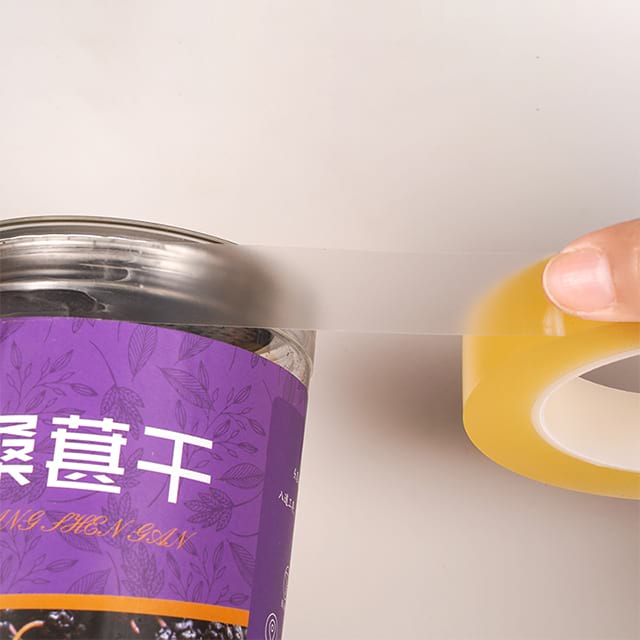
Not all heavy-duty packaging requirements are identical. Selecting the correct specialty PVC tape involves matching specific material dimensions to the operational environment and the physical demands of the freight.
Tape thickness, measured in mils (thousandths of an inch), directly correlates to load capacity and burst strength. PVC packaging tapes typically range from 2.2 mil for standard heavy-duty use up to 3.0+ mil for extreme industrial applications. A 2.2 mil tape provides ample strength for cartons weighing between 40 and 60 lbs. For shipments exceeding 70 lbs, or for packages containing dense, shifting hardware, upgrading to a 2.5 mil or 3.0 mil tape prevents seam failure during rough transit.
Over-specifying thickness yields diminishing returns. Applying a premium 3.0 mil tape to a lightweight 10 lb corrugated box wastes resources. The tape will outlast the structural integrity of the box itself. Procurement teams must map tape thickness directly to specific carton weight classes and Edge Crush Test (ECT) ratings to optimize material efficiency. Heavy-duty lines require thick PVC, while lightweight fulfillment lines can safely utilize thinner profiles.
PVC Tape Thickness | Recommended Carton Weight | Ideal Corrugated Box Rating | Primary Use Case |
|---|---|---|---|
2.0 - 2.2 mil | Up to 40 lbs | 32 ECT / 200# Mullen | Standard heavy-duty fulfillment, apparel, mixed retail goods. |
2.3 - 2.5 mil | 40 lbs to 65 lbs | 44 ECT / 275# Mullen | Dense liquids, small machinery parts, multi-box master cartons. |
2.6 - 3.0+ mil | 65 lbs to 100+ lbs | 48 ECT / 350# Mullen (Double Wall) | Industrial hardware, automotive parts, export shipping. |
Transit routes expose packages to severe environmental fluctuations. Unconditioned warehouses in summer reach extreme temperatures, while winter freight transport subjects parcels to freezing conditions. Natural rubber adhesives perform exceptionally well across a broad temperature spectrum. They maintain their aggressive tack in high-humidity environments where acrylic adhesives often slip or lose their bond.
Cold storage logistics present unique challenges. Standard tapes become brittle and lose adhesion in freezing temperatures. Natural rubber adhesives maintain flexibility and tack well below freezing, often performing reliably down to -20°F (-29°C) depending on the specific formulation. This ensures seals remain intact during refrigerated transport in blast freezers or cold-chain trucks. However, extreme heat can soften the adhesive over prolonged periods. Evaluating the specific temperature thresholds of the transit route ensures the chosen tape formulation will not degrade before the package reaches its destination.
Certain industries require specialized sealing solutions beyond standard corrugated cartons. PVC can sealing tape is engineered specifically for securing metal, plastic, or composite cylindrical containers. These applications demand a tape that conforms tightly to curved surfaces without lifting at the edges.
This tape creates a critical moisture and vapor barrier. In the food and beverage sector, preventing moisture ingress extends product shelf life and maintains freshness for items stored in tinplate cans or glass jars. In the chemical industry, an airtight seal on HDPE plastic drums prevents hazardous leaks and contamination during transit. The elasticity of the PVC backing allows operators to stretch the tape tightly around the lid and body of the container. As the tape attempts to return to its original length, it creates a constricting force that locks the lid in place. Meanwhile, the natural rubber adhesive ensures a permanent, airtight bond that withstands high-humidity storage and transport.
Procurement decisions must look beyond the initial acquisition price of a single roll. True operational efficiency is calculated by measuring material consumption rates and labor reduction. A higher-quality tape that achieves a secure seal in one pass is vastly more efficient than a cheaper tape that requires three passes to prevent box failure.
Calculate packaging efficiency by factoring in the exact tape length used per box. Single-strip sealing cuts material usage by up to 66% compared to the H-tape method. Furthermore, labor seconds saved per package multiply rapidly in high-volume environments. Reducing the time an operator spends sealing each box increases overall throughput. Finally, factor in the reduction of damaged goods and transit claims. A stronger seal directly lowers the frequency of rework and replacement shipments.
Scalability in operations dictates application methods. PVC tape excels in manual application environments. Its quiet unwind and easy handling make it the preferred choice for hand-held dispensers in fulfillment centers and retail shops. Conversely, automated case-sealing machinery often utilizes machine-length BOPP rolls. Automated machines apply consistent pressure and do not suffer from ergonomic fatigue, making BOPP viable for high-speed, uniform carton sealing. Facilities often deploy both: automated BOPP for standard lightweight boxes and manual PVC stations for heavy, irregular, or high-value shipments.
Visual presentation and security also influence material selection. Standard color options include clear, tan, and white. Tan tape blends seamlessly with standard corrugated boxes, providing a clean, professional appearance. White or clear tapes offer distinct visual contrast. For high-value goods, custom-printed specialty tape provides an immediate layer of security. Printed tape acts as a tamper-evident seal; if the tape is cut or replaced during transit, the broken pattern immediately alerts the receiver to potential pilferage. This added security layer is necessary for electronics, pharmaceuticals, and luxury goods logistics.
Upgrading packaging materials requires careful integration into existing workflows. Failing to address equipment compatibility or storage protocols can negate the performance benefits of premium tape.
Using improper equipment introduces significant operational risk. Standard tape guns feature serrated blades designed to cut thin, rigid BOPP tape. These blades struggle to cleanly slice through thick, stretchable PVC. Operators end up twisting their wrists or pulling forcefully to break the tape, leading to severe ergonomic fatigue and jagged, unprofessional cuts.
Mitigate this risk by standardizing equipment. Deploy heavy-duty tape dispensers specifically calibrated for PVC. These dispensers feature sharper, often retractable blades designed to slice cleanly through elastic materials. Upgrading the hand tools alongside the tape ensures smooth application, protects operator wrists, and maintains packing speed.
Natural rubber adhesive degrades if stored improperly. Exposure to high heat, direct sunlight, or severe UV radiation breaks down the chemical bonds, causing the adhesive to dry out or become gummy. Tape stored in a hot trailer or next to a warehouse heater will lose its initial tack before it ever reaches the packing station.
Establish strict inventory control to protect material integrity. Implement a First-In, First-Out (FIFO) rotation system to ensure older stock is consumed before new shipments are opened. Maintain climate-controlled storage protocols, keeping the tape in a cool, dry environment away from direct UV light. Proper storage maximizes the typical 12-month shelf life of natural rubber adhesives.
Highly recycled corrugated cartons present a difficult bonding surface. Boxes with high recycled content consist of shorter paper fibers and often carry a layer of surface dust. Even aggressive natural rubber adhesives can struggle to penetrate this dust and grip the short fibers securely. This is especially common with boxes rated via the Edge Crush Test (ECT) rather than the traditional Mullen burst test, as ECT boxes often utilize highly recycled fluting.
Conduct thorough pre-procurement testing to mitigate adhesion failure. Perform drop tests and peel tests using the exact box stock utilized in the facility. Apply the tape, allow it to set briefly, and then test the peel strength. If the tape pulls away cleanly without tearing the carton fibers, the bond is insufficient. Adjusting the tape formulation or working with the box supplier to improve surface quality ensures a secure, tamper-evident seal.
Audit your current packing lines to identify stations experiencing high rates of multiple-strip sealing, package bursting, or operator fatigue.
Request sample rolls of 2.2 mil and 2.5 mil PVC tape to conduct live drop tests on your heaviest corrugated shipments.
Upgrade manual packing station dispensers to models with retractable, fine-tooth blades designed specifically for cutting elastic materials.
Implement a 30-day pilot program on a single high-stress shipping route to measure the exact reduction in tape consumption and transit damage claims.
A: PVC tape uses a polyvinyl chloride backing that stretches under impact and features an aggressive natural rubber adhesive for instant tack. BOPP uses a rigid polypropylene backing that tends to snap or tear when punctured, typically relying on acrylic or hot-melt adhesives that require more pressure and time to bond.
A: For standard heavy-duty shipments weighing 40 to 60 lbs, a 2.2 mil thickness is highly effective. For extreme loads exceeding 70 lbs or packages subjected to severe handling, upgrading to a 2.5 mil or 3.0+ mil thickness provides the necessary burst strength to prevent seam failure.
A: Yes. The natural rubber adhesive used in high-quality PVC tape maintains its flexibility and tack in cold temperatures. Unlike standard acrylic adhesives that become brittle and fail in freezing conditions, natural rubber provides a secure seal for refrigerated food and beverage logistics.
A: It is engineered to secure cylindrical containers made of metal, plastic, or composites. The tape stretches to conform to curved lids, creating an airtight, moisture-resistant barrier. This prevents leaks and extends shelf life in the food, beverage, and chemical industries.
A: The chemical composition of the PVC backing and natural rubber adhesive allows the tape to release smoothly from the roll. This eliminates the loud, harsh crackling noise typical of acrylic BOPP tapes, significantly improving acoustics and operator comfort in busy packing stations.
A: Yes, for optimal performance. Because PVC stretches rather than snaps, standard serrated blades struggle to cut it cleanly. Operators should use heavy-duty tape guns equipped with sharper, retractable blades specifically designed to slice through thick, elastic materials without causing wrist fatigue.


