
close
Choose Your Site
Global
Social Media
 English

Views: 0 Author: Site Editor Publish Time: 2026-11-14 Origin: Site


Can a single exposed wire cause a massive facility fire? Yes. I have seen it happen in industrial plants where a minor oversight led to catastrophic downtime. Poorly insulated connections lead directly to short circuits and severe equipment failure. Electrical systems rely heavily on secure joints. Whether you are dealing with simple household wiring or complex industrial machinery, protection is non-negotiable. High-quality protective barriers become indispensable in these scenarios. But how does this specialized barrier adapt to drastically different environments? Think about the static environment of a cable splice. Now compare that to the high-heat, high-vibration environment of motor windings. The mechanical demands are completely different.
In this guide, we dive into the engineering mechanics behind these protective materials. We cover step-by-step application techniques used by seasoned professionals. You will learn why choosing purpose-built solutions prevents future electrical hazards. Professional electricians, procurement managers, and dedicated DIY enthusiasts will find actionable advice here to make informed purchasing and application decisions for their next project.
Dual Functionality: Engineered to provide high dielectric strength for cable splices alongside necessary thermal and mechanical protection for complex motor windings.
Proper Technique is Crucial: Utilizing the industry-standard half-lap wrapping method ensures a secure, moisture-resistant seal that prevents the material from peeling over time.
Safety Standards Matter: Selecting compliant materials guarantees adherence to strict environmental and safety regulations for predictable performance.
Fire Prevention: Applying specialized flame retardant protection is a mandatory safety measure in high-risk areas to prevent the rapid spread of electrical fires.
Avoid Common Pitfalls: Over-stretching, inadequate surface preparation, and selecting the wrong formulation are the leading causes of adhesive failure.
The global transition toward energy-efficient systems and electric vehicle manufacturing has fundamentally shifted insulation requirements. Modern motors are shrinking in physical footprint while delivering much higher power outputs. This compact design inherently drives up internal operating temperatures. Industry data shows a surging demand for advanced insulating materials capable of maintaining dielectric integrity under extreme thermal cycling and high-voltage stress. Standard commercial wraps are rapidly losing ground in these sectors. Specialized, thermally stable formulations are taking over to meet the rigorous demands of next-generation motor architectures.
To comprehend how electrical insulation tape adapts to diverse applications, we must examine its core physical and chemical properties. Unlike standard packaging adhesives, this product is scientifically formulated to impede electrical current. It acts as a critical barrier between conductive materials and the external environment.
Dielectric strength refers to the maximum electric field a material can withstand without experiencing electrical breakdown. Quality tape acts as a robust insulator that prevents current from arcing between wires. Standard polyvinyl chloride variations safely handle applications up to 600 volts. This specific voltage rating makes them highly suitable for residential wiring, commercial circuits, and standard low-voltage industrial machinery. Using a product with a verified dielectric strength ensures the system operates safely within its designed parameters.
A primary functional requirement is the ability to stretch and conform to highly irregular shapes. Cable splices often result in bulky and uneven joints. Motor coils feature extremely tight geometries. High-quality variants typically offer an elongation rate of 150% to 200% before breaking. This elasticity allows technicians to wrap tightly around uneven surfaces. It eliminates air pockets and creates a smooth, continuous protective jacket. Without this conformability, microscopic gaps would form and allow moisture to compromise the connection.
Connections face harsh environmental conditions constantly. Premium insulating materials feature chemical additives providing robust resistance against moisture ingress, ultraviolet radiation, abrasion, and chemical corrosion. In outdoor applications, ultraviolet resistance prevents the backing from becoming brittle and cracking under prolonged sun exposure. In industrial settings, resistance to alkalis, acids, and copper corrosion ensures structural integrity over an extended operational lifespan.
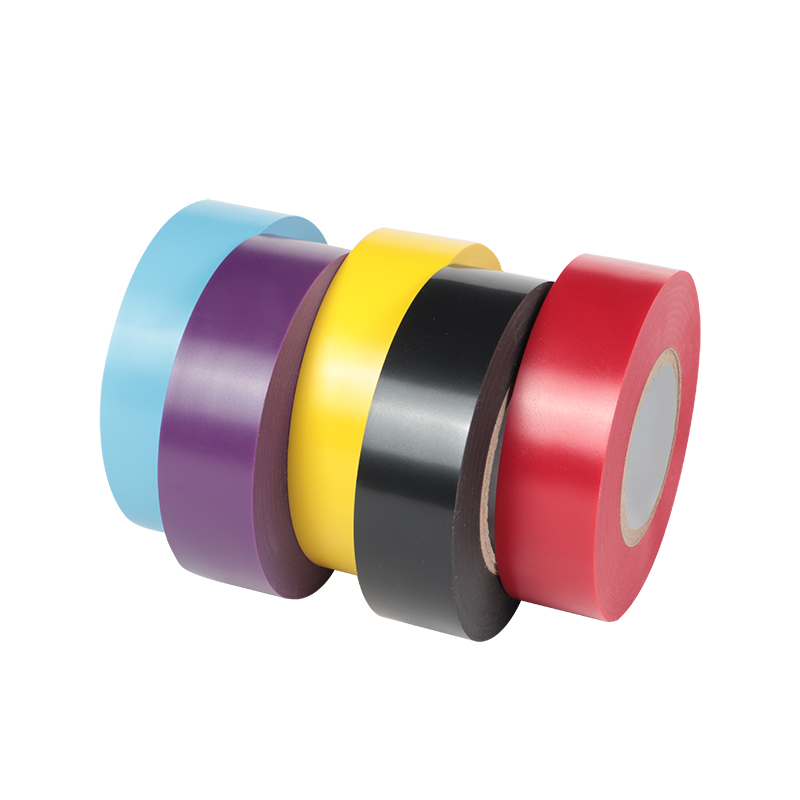
Cable splicing joins two or more conductive wires. Without proper insulation, this joint immediately becomes the weakest and most dangerous link in your circuit. Providing a mandatory protective jacket keeps the splice secure, insulated, and mechanically stable.
Success begins with meticulous surface preparation. Strip wires carefully using proper tools to avoid nicking the underlying copper conductors. Twist the stripped wires securely using linesman pliers to create a strong mechanical bond. Clean the surrounding wire insulation thoroughly before wrapping. Remove all dust, machine grease, and residual oils using a fast-drying solvent like isopropyl alcohol. This ensures maximum adhesion between the adhesive layer and the wire jacket.
The half-lap method is the universally accepted standard for applying protective wraps. This technique requires the user to overlap each preceding turn by exactly 50%. Every section of the splice receives a minimum of two overlapping layers. This doubles the dielectric protection. It also creates a shingled effect that naturally sheds moisture and prevents water from penetrating the splice. Technicians must maintain consistent tension throughout the wrapping process to ensure the layers fuse tightly together.
Applying the correct amount of tension dictates the lifespan of the wrap. Stretch the material to approximately 75% of its maximum elasticity during the process. This stretching activates the pressure-sensitive adhesive and ensures a tight fit. However, apply the final wrap with zero tension to prevent flagging. Flagging occurs when the stretched backing attempts to return to its original shape and peels upward. For pigtail splices, extend the wrap past the end of the bare wires, fold it back over the sharp tips, and wrap downward. This prevents sharp copper ends from piercing through the insulation over time.
Electric motor windings present a brutal operating environment. Motors generate intense internal heat and vibrate continuously at high frequencies. Insulation materials utilized in these applications must possess exceptional durability and thermal stability to prevent catastrophic motor failure.
Inside an electric motor, protective wraps serve multiple structural and shielding functions. They group loose wires into manageable bundles and protect fragile coil ends during the varnishing process. Securely binding the coils prevents individual wires from shifting or rubbing against the metallic stator core. This mechanical stabilization maintains the precise electromagnetic fields required for efficient motor operation.
Thermal stability is an absolute requirement in motor applications. Standard variations will soften, melt, or chemically degrade under elevated industrial operating temperatures. Specialized formulations engineered for Class B 130°C or Class F 155°C thermal ratings are mandatory here. The continuous vibration inherent in motor operation causes severe internal friction. The wrap must possess high abrasion resistance to withstand this constant mechanical stress without exposing the conductive copper beneath.
The primary objective of using protective wraps in motor windings is acting as an impenetrable physical barrier against copper-to-copper or copper-to-ground contact. Even a microscopic breach in the insulation causes an internal short circuit. This leads to localized overheating, melted windings, and ultimately a costly motor burnout. Maintaining a robust dielectric barrier ensures electrical current follows its intended path through the coil.
Evaluating manufacturing standards is paramount when making procurement decisions for ambitious electrical projects. Regulatory compliance directly dictates the material quality, safety, and reliability.
European Union standards represent some of the most stringent manufacturing regulations globally. Utilizing an EU standard PVC insulation tape strictly complies with RoHS Restriction of Hazardous Substances and REACH directives. These certifications guarantee the product is manufactured without harmful heavy metals such as lead, cadmium, and mercury. Compliance ensures the material remains chemically stable and poses no toxicological threat during application or long-term use.
Materials meeting EU standards provide measurable benefits for both the end-user and the environment. Technicians experience highly consistent adhesive performance and predictable elasticity. This reduces installation time and minimizes costly rework. Environmentally, these products do not leach toxic compounds into groundwater if disposed of in landfills. Specifying compliant materials mitigates legal and regulatory risks associated with occupational health and safety audits for large-scale industrial projects.
Material Type | Best Application | Dielectric Strength | Key Advantage |
|---|---|---|---|
PVC Electrical Tape | General splicing, motor coil binding, wire phasing | Up to 600V | High elasticity, cost-effective, highly versatile |
Self-Amalgamating Rubber | Outdoor waterproofing, high-voltage terminations | High rating based on thickness | Fuses into a solid, watertight rubber mass |
Friction / Cloth Tape | Heavy-duty outer mechanical protection | Relatively Low | Superior abrasion and puncture resistance |
Electrical fires remain a leading cause of catastrophic property damage and industrial downtime. Implementing preventative measures is essential. Using specialized materials becomes a critical requirement in high-risk electrical maintenance and automotive wiring.
The chemical composition of a flame retardant insulation tape is specifically engineered to resist combustion. Standard adhesive products act as fuel when exposed to an open flame or severe electrical arcing. Purpose-built variants are manufactured using specific plasticizers and chemical additives integrated directly into the backing. When exposed to intense heat from a sparking wire, these chemical additives trigger an endothermic reaction. They release inert gases that actively displace oxygen around the ignition site. This mechanism allows the material to be self-extinguishing. Once the primary heat source is removed, the flames smother and die out almost immediately.
Certain environments demand the mandatory use of flame retardant materials due to elevated fire risks. Automotive engine bays expose electrical wiring to high engine heat and volatile combustible fluids. These areas require self-extinguishing properties. High-voltage industrial splices and densely packed motor windings present similar thermal risks. Procurement protocols should strictly mandate flame retardant specifications in these scenarios to comply with international fire safety codes and insurance requirements.
Even the most premium products will fail prematurely if applied using incorrect techniques. Poor application compromises the dielectric barrier. It allows moisture ingress, adhesive degradation, and eventual electrical shorting. Addressing common user errors ensures a safer installation.
Stretching is necessary to activate the adhesive, but over-stretching is a frequent and dangerous mistake. Pulling the material too tightly significantly reduces its physical thickness. Dielectric strength is directly proportional to material thickness. Over-stretching severely compromises the ability to block electrical current. Excessive tension also builds high mechanical stress within the backing. This inevitably leads to flagging as it attempts to contract, causing the ends to peel away from the splice.
Temperature heavily influences the performance of pressure-sensitive adhesives. Applying tape in freezing environments causes the adhesive to harden and lose its tackiness. This prevents a secure bond. Using standard products in extreme heat environments causes the adhesive to liquefy and the backing to melt. Technicians must verify the manufacturer's recommended application temperature range. Utilize specialized high-temperature or cold-weather variants when operating outside standard ambient conditions.
Applying wraps over unprepared surfaces guarantees immediate adhesive failure. Cables coated in industrial pulling lubricants, residual moisture, or construction dust prevent the adhesive polymers from making direct contact with the wire jacket. The connection may initially appear secure, but it will unravel rapidly as environmental vibrations and temperature fluctuations occur. Thoroughly wiping down the splice area with a clean, dry cloth or an appropriate dielectric solvent is a mandatory step.
Understanding specific technical specifications is the final step before executing a purchase. Selecting the right product requires evaluating several objective criteria beyond just the price tag.
Material thickness directly correlates with mechanical durability and dielectric capacity. Standard variants generally measure around 0.13mm to 0.15mm in thickness. This provides adequate protection for basic residential splices. However, heavy-duty industrial motor windings subject to high physical abrasion demand a thicker wrap measuring 0.18mm or 0.19mm. Buyers should review the adhesion to steel metrics provided on technical data sheets to ensure the adhesive resists unraveling under stress.
These materials serve a dual purpose in complex electrical panels and multi-phase motor installations: insulation and identification. Using color-coded phasing products allows maintenance personnel to quickly identify voltage phases, neutral lines, and grounding wires safely. Adhering to regional color standards ensures future maintenance can be conducted efficiently without ambiguity regarding wire functions.
The longevity and safety of an electrical project depend heavily on the integrity of the materials used. The market contains many low-cost, non-compliant products utilizing harmful heavy metal stabilizers and inferior plasticizers. Source products from established manufacturers providing transparent technical data sheets and verifiable compliance certificates. Procuring materials guaranteeing flame retardancy and adherence to strict EU environmental standards ensures the installation remains safe and durable.
Proper insulation remains your first line of defense against electrical hazards whether you are securing a simple household cable splice or insulating the complex windings of an industrial motor. Master application techniques like the half-lap wrap and understand the specific demands of your operating environment to ensure a secure, long-lasting hold. Prioritizing high-quality materials guarantees your electrical work remains safe, compliant, and resilient against heat, moisture, and time.
Ready to upgrade your electrical safety standards? Equip your next project with professional-grade protective solutions. Whether you need robust EU-standard PVC electrical tape for daily splicing or specialized flame-retardant options for high-risk industrial environments, choosing the right manufacturer makes all the difference. Visit ipvctape.com to explore verifiable, high-performance insulation tapes engineered to protect your critical electrical systems for years to come.
No. Under no circumstances should duct tape, masking tape, or standard packing tape be used for electrical applications. These everyday tapes are not engineered with the necessary dielectric strength to resist voltage breakdown. Their backings and adhesives are highly flammable and will easily catch fire, melt, or conduct electricity when exposed to the heat generated by a live wire. Always use purpose-built products tested to stop electrical currents and withstand thermal stress.
Industry best practices dictate applying a minimum of two half-lapped layers over any standard cable splice. Half-lapped means each new wrap overlaps the previous one by 50%. This effectively creates a double layer of insulation with every pass. The final covering should be at least as thick as the original wire jacket to ensure adequate protection.
High-quality PVC electrical tape provides excellent moisture resistance and effectively sheds ambient dampness and accidental splashes. However, it is not entirely waterproof for submerged or direct-burial applications. The adhesive can degrade if continuously underwater. For applications requiring true waterproofing, technicians must use a self-amalgamating rubber tape to create a watertight seal, followed by a protective outer layer of PVC tape to defend against physical abrasion.
Thermal endurance varies significantly by specific formulation. Standard commercial flame retardant electrical tapes are typically rated for continuous operation at temperatures up to 80°C. Specialized industrial-grade tapes designed for heavy-duty motor windings can handle continuous temperatures up to 105°C or higher. Always consult the manufacturer's technical data sheet to ensure the temperature class matches the thermal output of your specific motor or high-load cable splice.
Peeling, known as flagging, and the oozing of sticky residue result from three common application errors. First, over-stretching causes its elastic memory to continuously pull against the adhesive until it lifts. Second, applying the wrap to cables covered in dirt, oil, or pulling grease prevents the adhesive from forming a strong initial bond. Finally, exposing standard variants to temperatures beyond their rated limit causes the adhesive polymers to break down into a sticky mess. Ensure the surface is clean, avoid over-stretching the final wrap, and cut rather than tear the end.
Absolutely. Most high-quality PVC electrical tapes are rated for up to 600V. This makes them more than capable of safely insulating standard 110V, 220V, and 240V residential and commercial circuits. Always verify the manufacturer's voltage rating on the packaging or technical data sheet before application to ensure complete operational safety.
When applied correctly using the half-lap technique on a clean surface, premium electrical tape can last 5 to 10 years in indoor, climate-controlled environments. Exposure to harsh ultraviolet rays, extreme temperature fluctuations, or chemical solvents will accelerate the aging process. For outdoor or high-heat industrial applications, regular inspection and using weather-resistant or high-temperature specific variants are strongly recommended to maintain a secure dielectric barrier.


